Free Shipping on Orders $199+

Growing Zone: | Garden in
Find your Growing Zone!

Astonishing Plants That Thrive In Wet Areas!

6 Astonishing Plants that Thrive in Wet Areas - Nature Hills Nursery

Nature Hills Nursery |

We all have come across it - that one spot in the yard that is always wet, muddy, and swampy, regardless of how we try to amend it. Most often, we just give up planting anything there and write it off as "the swamp". But what if there were plants adapted to growing there that would thrive and still look beautiful?

The good news - there are!

Many of these plants are ready to take on the wet areas of your yard, and can survive both in nearly flooded conditions for short term, moderately wet seasons or drier times.

Top 10 Plants For Wet Yard Locations!

River Birch

River Birch - Betula nigra

As the name suggests, River Birch is adapted to those wet areas of land. Standing approximately 50 feet tall at full maturity, the pale white bark and bright green foliage provide seasonal interest all year.

Use it if you need a tree in an area that is fairly swampy after a weather event, and watch as it thrives.

Gorgeous lawn trees and incredible in groupings, these are light shade trees and favorites for songbirds!

Loblolly Pine

Loblolly Pine- Pinus taeda

It's surprising to find an evergreen tree that can withstand wet soil!

But the Loblolly Pine thrives in swampy areas. With a mature height of over 70 feet, Loblolly Pine will provide you with that towering year-round evergreen characteristic in an area that otherwise wouldn't have something like that!

The straight, sturdy trunk is prized for lumber, but your wildlife will appreciate the vertical shelter all year round.

Buttonbush

Buttonbush - Cephalanthus occidentalis

Best used in wet locations, Buttonbushes are a shrub that will delight. With a four-foot spread in all directions, Buttonbush has flowers and fruits that give it its namesake - they are round and look identical to buttons!

Pollinators adore the flowers, and birds enjoy the fruits, so why not plant something that serves multiple purposes in your wet area?

Royal Fern

Royal Fern - Osmunda regalis

Often found growing along river banks (and even directly in the water, in some places), Royal Fern will thrive in wet environments! A clump former, Royal Fern's large arching leaves will provide habitat cover while growing in your wet spots in your landscape.

Its unique vase-shaped structure and bright color provides some whimsy and fun to your landscape. Consider planting it en masse for best results.

Sedge Grass

Sedge Grass - Carex spp.

At first glance, Sedges look like grasses. But on closer inspection, the triangular leaves of Sedges are easy to identify and separate Sedges from other grasses.

Use in your wet areas, as Sedges don't mind having their feet wet, and enjoy the flowing, grass-like appearance. Try a cultivar like 'Ice Dance' for a bold, variegated statement!

Swamp Milkweed

Swamp Milkweed- Asclepias incarnata

As the name suggests, Swamp Milkweed is a perfect flowering perennial for those wet areas of your landscape. The cultivar 'Cinderella' has pink flowers in the summer that smell like vanilla cinnamon and other spices. Used as a host plant for monarch butterflies and as a food source for other pollinators, using Swamp Milkweed will be sure to provide your wet location with plenty of activity!

Wet spots can be a challenge to landscape around, as many plants can't tolerate the conditions. But with these plants, there are options to maximize your landscape and provide some beauty in those challenging spots.

shop bald cypress for soggy sites at nature hills

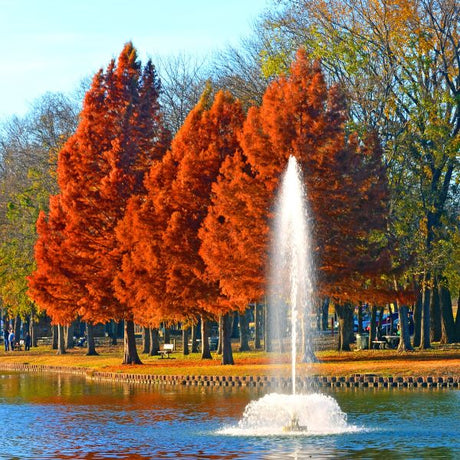
Bald Cypress - Taxodium distichum

Known for thriving in swamps and along riverbanks, the Bald Cypress is a unique deciduous conifer that can handle standing water with ease. Its feathery green needles turn a stunning russet-orange in fall before dropping, creating seasonal drama!

With its iconic “knees” that rise from the ground in wet areas to provide air for the roots, Bald Cypress not only adds architectural interest but also stabilizes soggy soils beautifully. They equally do well in normal moisture settings and large lawns, too!

willow tree along a pond

Willow Trees - Salix nigra

A native Willow species that loves wet feet, the Willow is a fast-growing tree perfect for streambanks, ponds, or low-lying landscapes. Its long, narrow leaves sway gracefully in the breeze, while its extensive root system helps control erosion.

A single mature Willow can soak up nearly 10 gallons of water a day! Great for planting near areas that keep flooding your basement - but far enough from your home to prevent the adventitious roots from getting in trouble.

Birds and insects find plenty of habitat in its branches, making it both a functional and wildlife-friendly choice for soggy sites!

flag iris at nature hills

Blue Flag Iris - Iris versicolor

A native wetland perennial, Blue Flag Iris thrives along pond edges, marshes, and rain gardens. Its sword-like green foliage gives strong vertical texture, while its violet-blue flowers with yellow markings add a splash of early summer color.

This native Iris not only tolerates wet feet but also attracts pollinators like bees and butterflies, making it a functional and beautiful addition to soggy sites.

Flag Iris are also fantastic perennials for the perennial border and cut flower garden!

swamp rose for wet areas

Swamp Rose - Rosa palustris

Unlike its fussier cousins, Swamp Rose loves wet soils and thrives in bogs, ditches, and along streambanks. It produces fragrant pink blooms in summer that attract pollinators and give way to red rose hips enjoyed by birds.

With its thorny stems and lush foliage, Swamp Rose doubles as both an ornamental and a natural wildlife-supporting hedge for wet areas!

Fantastic in the mixed shrub border, native plantings, and pollinator borders.

Let These Plants Soak It Up!

With the right plants, soggy spots become vibrant garden havens instead of problem areas. From rain gardens to low-lying landscapes, these water-loving trees, shrubs, perennials, and grasses bring beauty, resilience, and ecological value to your yard. Instead of fighting the moisture, let your plant choices work with it - mother nature will thank you.

Happy Planting!
Previous Next

Compare Plants

Browse the features and specs side-by-side to find the best fit for your garden.

A table comparing the facets of 1 products
Facet
Bald Cypress Tree
Bald Cypress Tree
View details
Rating
Rating-
Type
TypeTree
By
ByNature Hills Nursery
Flower Color
Flower Color
-
Growing Zone Range
Growing Zone Range
4-10
Mature Height
Mature Height
50-65 ft
Width
Width
20-30 ft
Price
Price
Regular price $9291

Frequently Asked Questions

What grows in wet soil?

Many plants actually thrive in consistently wet or swampy soil conditions where typical garden plants would fail. River Birch (Betula nigra) reaches 50 feet tall and tolerates both flooding and seasonal moisture changes, while Loblolly Pine (Pinus taeda) provides evergreen structure at 70+ feet in wet areas. Buttonbush (Cephalanthus occidentalis) spreads 4 feet wide with unique round flowers that attract pollinators, and Royal Fern (Osmunda regalis) naturalizes beautifully along water edges. Choose plants specifically adapted to wet conditions rather than trying to drain problem areas in your landscape.

What USDA hardiness zones are best for plants that thrive in wet areas?

Most plants that thrive in wet areas perform best in USDA hardiness zones 3-9, though specific zone requirements vary by species. Cold-hardy moisture-loving plants like cardinal flower and astilbe flourish in zones 3-8, while heat-tolerant options such as Louisiana iris and bald cypress excel in zones 6-10. Many bog and rain garden plants overlap in zones 4-8, providing the widest selection for temperate climates. Check each plant's specific zone rating and match it to your local conditions for the best results.

What evergreens like wet soil?

Loblolly Pine (Pinus taeda) is an excellent evergreen choice for wet, swampy areas where most conifers would struggle. This native pine reaches over 70 feet tall and thrives in consistently moist to wet soils while providing year-round evergreen structure and wildlife habitat. Plant Loblolly Pine in those problem wet spots where you need vertical evergreen presence but drainage is poor.

What shrubs absorb the most water?

Buttonbush (Cephalanthus occidentalis) is one of the top water-absorbing shrubs, naturally thriving in swampy conditions and spreading 4 feet in all directions. This native shrub produces distinctive round, button-like flowers that attract pollinators and fruits that feed birds. For maximum water absorption, plant Buttonbush in your wettest problem areas where other shrubs would struggle to survive.

Are cypress evergreen?

Yes, cypress trees are evergreen conifers that retain their foliage year-round. Bald Cypress (Taxodium distichum) is actually a notable exception, as it's a deciduous conifer that drops its needles in fall despite being in the cypress family. Most true cypress species like Leyland Cypress thrive in zones 6-10 and maintain their green color through all seasons. Choose Bald Cypress for wet areas and seasonal interest, or select other cypress varieties for permanent evergreen screening.

What plants thrive in consistently wet or boggy garden areas?

Several remarkable plants actually thrive in consistently wet or boggy conditions where most plants would fail. River Birch (Betula nigra) reaches 50 feet with attractive pale bark, while Loblolly Pine (Pinus taeda) provides evergreen structure at 70+ feet in swampy areas. For smaller spaces, try Buttonbush (Cephalanthus occidentalis) with its unique round flowers that attract pollinators, or Royal Fern (Osmunda regalis) which naturally grows along riverbanks. Plant these moisture-loving species directly in your problem wet areas for beautiful, low-maintenance solutions.

How do I plant in wet soil without the plants drowning?

Choose plants naturally adapted to wet conditions like River Birch, Loblolly Pine, or Buttonbush, which can handle both flooded and drier periods. Plant during late fall or early spring when soil moisture is more stable, and avoid amending wet clay soils as this often makes drainage worse. Create slight mounds 2-3 inches high for planting to provide some elevation while still allowing roots to access moisture. Select species that match your hardiness zone and embrace the wet area rather than fighting it.

What native plants are best for moist to wet conditions?

River Birch (Betula nigra) and Buttonbush (Cephalanthus occidentalis) are excellent native choices for consistently wet areas, with River Birch reaching 50 feet tall and providing year-round interest, while Buttonbush offers pollinator-friendly button-shaped flowers in a compact 4-foot spread. Royal Fern (Osmunda regalis) naturally grows along riverbanks and can even tolerate standing water. Plant these species in your wettest problem areas where other plants fail to establish.

Can I improve drainage in a wet area before planting, or should I just select tolerant plants?

While you can attempt drainage improvements through French drains or soil amendments, wet areas often result from natural water flow patterns or clay hardpan that's difficult to modify permanently. Many homeowners find these drainage "fixes" fail during heavy rain seasons, leaving them back where they started. Instead of fighting your landscape's natural conditions, work with moisture-loving plants like River Birch, Buttonbush, or Royal Fern that actually prefer wet feet. Choose plants specifically adapted to your wet conditions for guaranteed success rather than costly drainage projects that may not hold up long-term.

What perennials tolerate standing water and full sun?

Several perennials excel in standing water and full sun conditions. Cardinal flower (Lobelia cardinalis) produces brilliant red spikes in zones 3-9 and can handle water up to 6 inches deep, while blue flag iris (Iris versicolor) thrives in zones 2-7 with water depths up to 4 inches. Swamp milkweed (Asclepias incarnata) tolerates seasonal flooding in zones 3-8 and attracts monarch butterflies with its pink summer blooms. Plant these in spring after frost danger passes for best establishment in your wet, sunny areas.

Find Your Garden's Growing Zone!

Your Current Growing Zone:

Zone

ZIP Code:

✓ Growing Zone Set Successfully!

Your zone has been saved and will be used throughout the site.

⚠ Unable to locate a growing zone for that ZIP code.

Please check your ZIP code and try again.

Looking up your growing zone...

When ordering a tree or plant, make sure to know your planting zone.

You can determine your garden's USDA hardiness zone by entering your Zip Code below.