Free Shipping on Orders $199+

Growing Zone: | Garden in
Find your Growing Zone!

Meet The Osmanthus: Fragrance, Foliage & Four-Season Charm

buy osmanthus at nature hills

Charlotte Weidner |

buy osmanthus at nature hills

If you've ever dreamed of stepping out your door into a cloud of sweet perfume, the Osmanthus family is ready to make that dream come true. Known by other inviting names like Fragrant Tea Olive, Sweet Olive, or False Holly, these versatile evergreen shrubs bring glossy green foliage, intoxicating fragrance, and dependable structure to your landscape!

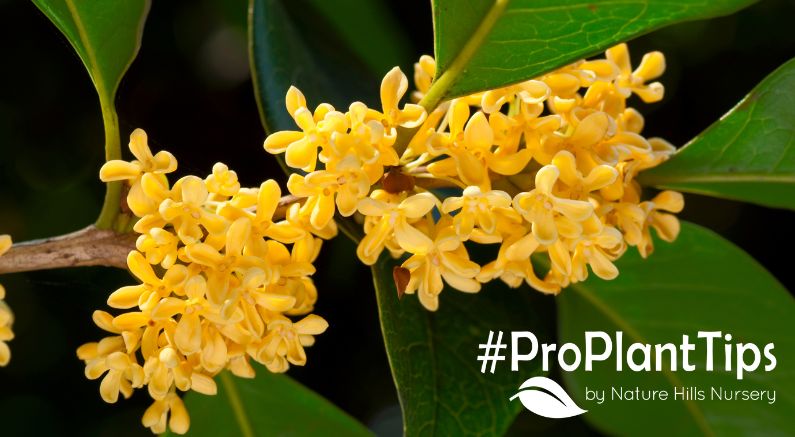
Their small, leathery leaves range from deep emerald to variegated splashes of cream and pink, and their tiny, delicate flowers release a scent that has been described as a mix of apricot, jasmine, and warm sunshine. These plants are an all-season joy, and once you grow one, you'll wonder how your garden ever lived without it.

With dense, upright branching and a naturally refined habit, Osmanthus shrubs are as low-maintenance as they are elegant. Their roots anchor firmly, their stems stand strong against the wind, and their evergreen leaves remain handsome even through winter. In early spring or fall (depending on the variety), clusters of creamy white blooms emerge, sending their fragrance on the breeze to delight neighbors and pollinators alike.

A Closer Look at These Standout Osmanthus Varieties

buy fragrant tea olive at naturehills.com

Fragrant Tea Olive (Sweet Osmanthus)
The most famous member of the Osmanthus family, this variety earns its popularity with heavenly-scented blooms that perfume the air from late summer through fall. Perfect for patios, entryways, or courtyards where its fragrance can be appreciated up close. Mature plants can reach 10-15 feet tall, making them equally suited for small ornamental trees or large background shrubs. It's long-lived, drought-tolerant once established, and a true Southern garden classic.

Delavay Osmanthus
A more compact, hardy choice with slightly serrated, holly-like leaves, this variety excels as a low hedge or border plant. It's also wonderfully deer-resistant and holds its form without heavy pruning. Typically maturing at 6-8 feet tall, it's a great fit for tighter spaces and colder climates. Its dense habit also provides excellent winter shelter for songbirds.

Burkwood Osmanthus
This hybrid charms with springtime blossoms and a refined, rounded habit. Its glossy leaves and dense structure make it ideal for privacy hedges or foundation plantings. Growing to about 8-10 feet tall, Burkwood offers reliable evergreen screening with bursts of fragrance to welcome each new season. It's also one of the most cold-hardy Osmanthus, performing well into USDA Zone 6.

Gulftide Osmanthus
Tough as nails yet effortlessly graceful, Gulftide is a cold-hardy workhorse that thrives in coastal and inland gardens alike. Its upright growth and wind tolerance make it a standout in exposed locations. Reaching 12-15 feet tall at maturity, it creates an excellent windbreak or tall evergreen screen while still offering that signature Osmanthus perfume. It tolerates poor soils and urban pollution, making it a versatile choice for challenging sites.

Party Lights™ Osmanthus
The showstopper of the bunch, this variety boasts vibrant pink and cream variegation that lights up shady corners. Its foliage alone is enough to make you smile, and the sweet blooms are simply a bonus! Growing more modestly to around 4-6 feet tall, it's perfect as a colorful accent in containers, borders, or smaller gardens. Its naturally compact size makes it one of the easiest Osmanthus to tuck into a mixed landscape.

Landscaping Uses

  • Fragrant focal points near patios, porches & patio gardens, or walkways
  • Hedges and privacy screens that stay green year-round
  • Specimen shrubs in formal gardens or mixed shrub borders
  • Windbreaks for coastal or breezy sites
  • Variegated accent plants to brighten shady beds

Care & Maintenance

shop osmanthus at nature hills

Osmanthus are as easygoing as they are beautiful. Plant them in full sun to partial shade for the best growth and bloom production. They prefer well-drained, fertile soil, though they tolerate a wide range of conditions once established. Keep young plants watered regularly during their first year using the Finger Test to avoid over- or under-watering.

  • Fertilize in early spring with a balanced, slow-release blend.

  • Prune lightly after flowering to shape, avoid heavy shearing, which can reduce blooms.

  • Apply a layer of arborist mulch around the base to maintain moisture and regulate soil temperature.

  • In colder zones, choose hardier varieties like Gulftide or Delavay for the best winter survival.

A Gardener's Final Word On Osmanthus

If you're looking for a shrub that smells divine, looks polished in every season, and works hard in the landscape, Osmanthus deserves a prime spot in your yard. Their versatility is unmatched! From hedges to standalone stars, from sun to shade, from coastal winds to urban courtyards. Plant one near your front door, and each time you step outside, you'll be greeted by the kind of fragrance that stops you in your tracks. These plants truly combine the best of ornamental beauty and easy care.

Happy Planting!

Previous Next

Compare Plants

Browse the features and specs side-by-side to find the best fit for your garden.

A table comparing the facets of 1 products
Facet
Fragrant Tea Olive
Fragrant Tea Olive Sweet Osmanthus
View details
Rating
Rating
(2)
Type
TypeShrub
By
ByNature Hills Nursery
Flower Color
Flower Color
  • White
Growing Zone Range
Growing Zone Range
7-11
Mature Height
Mature Height
10-15 ft
Width
Width
6-8 ft
Price
Price
Regular price $6727

Frequently Asked Questions

What is osmanthus?

Osmanthus is an evergreen shrub family also known as Fragrant Tea Olive, Sweet Olive, or False Holly, prized for its glossy foliage and intensely fragrant blooms that smell like apricot and jasmine. These low-maintenance plants typically grow 6-15 feet tall depending on variety, with small creamy white flowers appearing in early spring or fall. They're drought-tolerant once established and work excellently as hedges, specimens, or background plantings. Plant them near patios, walkways, or windows where you can fully enjoy their exceptional fragrance.

When does osmanthus bloom?

Osmanthus bloom timing depends on the variety, with most flowering in early spring or fall. The popular Fragrant Tea Olive (Sweet Osmanthus) produces its heavenly-scented blooms from late summer through fall, while other varieties may bloom in early spring. The small, creamy white flower clusters release their signature apricot-jasmine fragrance for several weeks during peak bloom time. Plant near patios or walkways where you can fully enjoy the intense fragrance during flowering season.

Is osmanthus evergreen?

Yes, osmanthus is evergreen with glossy, leathery leaves that remain attractive year-round, even through winter. These versatile shrubs maintain their dense, upright structure in all seasons while providing reliable foliage color that ranges from deep emerald green to variegated cream and pink patterns. Their evergreen nature makes them excellent for providing consistent structure and winter interest in your landscape. Plant them as foundation shrubs, hedges, or specimen plants where you need dependable four-season appeal.

Does osmanthus smell good?

Yes, osmanthus is renowned for its exceptional fragrance. The tiny flowers release an intoxicating scent described as a blend of apricot, jasmine, and warm sunshine that can perfume your entire yard. Fragrant Tea Olive varieties bloom from late summer through fall, while other types may flower in early spring, sending their sweet perfume on the breeze. Plant osmanthus near patios, entryways, or windows where you can fully enjoy their heavenly fragrance up close.

Are they evergreen?

Yes, Osmanthus shrubs are evergreen plants that maintain their glossy, leathery foliage year-round. Their dense branching and handsome leaves provide reliable structure and visual interest even through winter months. The foliage ranges from deep emerald green to attractive variegated patterns with cream and pink splashes, depending on the variety. Choose Osmanthus for dependable four-season color and structure in your landscape.

What are the ideal planting locations for Meet The Osmanthus Fragrance Foliage FourSeason Charm in terms of sun exposure and shade?

Osmanthus thrives in partial shade to full sun locations, though they perform best with morning sun and some afternoon protection in hot climates. These adaptable evergreens tolerate a wide range of light conditions but may produce fewer blooms in deep shade. For optimal fragrance and flowering, plant them where they receive at least 4-6 hours of sunlight daily. Position them near patios, walkways, or windows where you can enjoy their incredible scent during bloom periods.

What type of soil does Meet The Osmanthus Fragrance Foliage FourSeason Charm prefer, and how should I amend heavy clay or alkaline soil?

Osmanthus thrives in well-draining, slightly acidic to neutral soil (pH 6.0-7.0) but adapts to various conditions once established. For heavy clay soil, work in 2-3 inches of compost or aged manure to improve drainage and prevent root rot. In alkaline soils above pH 7.5, add sulfur or peat moss to lower pH and incorporate organic matter annually. Plant in spring after frost danger passes, ensuring the root ball sits slightly above ground level to promote proper drainage.

How deep should I plant Meet The Osmanthus Fragrance Foliage FourSeason Charm, and what’s the best way to ensure proper root collar placement?

Plant your Osmanthus at the same depth it was growing in the container, ensuring the root collar (where roots meet the stem) sits level with the surrounding soil surface. Dig a hole twice as wide as the root ball but no deeper, as planting too deep can lead to root rot and poor establishment. After planting, water thoroughly and apply 2-3 inches of mulch around the base, keeping it pulled back several inches from the trunk to prevent moisture buildup against the bark.

How far apart should I space Meet The Osmanthus Fragrance Foliage FourSeason Charm plants when using them as a hedge or privacy screen?

For hedge plantings, space Osmanthus shrubs 3-4 feet apart on center for a dense privacy screen, or 4-6 feet apart for a more open hedge with individual plant definition. The compact Delavay Osmanthus (6-8 feet mature height) works well at closer spacing, while larger Fragrant Tea Olive varieties (10-15 feet tall) benefit from wider spacing. Plant in spring or fall in zones 7-10 for best establishment. Measure from the center of one planting hole to the center of the next to ensure proper spacing.

How often should I water young Meet The Osmanthus Fragrance Foliage FourSeason Charm plants during the first year, and how do I avoid overwatering?

Water newly planted Osmanthus deeply once or twice weekly during the growing season, providing about 1 inch of water each time. Check soil moisture by inserting your finger 2-3 inches deep – the soil should feel slightly moist but never soggy. These plants are naturally drought-tolerant once established, so overwatering is more harmful than underwatering. Allow the top 2 inches of soil to dry between waterings, and reduce frequency in fall as the plant prepares for winter dormancy.

Find Your Garden's Growing Zone!

Your Current Growing Zone:

Zone

ZIP Code:

✓ Growing Zone Set Successfully!

Your zone has been saved and will be used throughout the site.

⚠ Unable to locate a growing zone for that ZIP code.

Please check your ZIP code and try again.

Looking up your growing zone...

When ordering a tree or plant, make sure to know your planting zone.

You can determine your garden's USDA hardiness zone by entering your Zip Code below.