
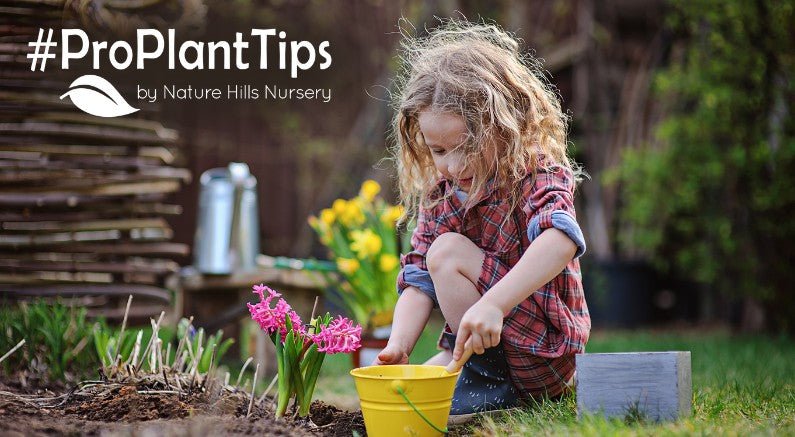

What is Plant a Flower Day? March 12th marks Plant a Flower Day, an annual celebration dedicated to the simple yet impactful act of planting flowers. This day encourages gardeners, nature lovers, and anyone looking to brighten their surroundings to take part in adding more beauty to the world.
Whether you have a spacious backyard, a small balcony, or just a windowsill, Plant a Flower Day is the perfect opportunity to embrace spring and cultivate new life!
Here are some ways Nature Hills has for you to celebrate!
The Origins of Plant A Flower Day
In 2017, National Flower Day was formally recognized as a cultural observance, promoting the beauty and appreciation of flowers in their many forms and colors.
Its significance aligns with humanity's long-standing connection to nature. Historically, people have planted flowers for centuries, not just for their beauty but also for their cultural and symbolic meanings.
Flowers have been used in ceremonies, as gifts, to lift spirits, celebrate the memory of a loved one, as food, and even for medicinal purposes.
The establishment of this day serves as a reminder of the importance of greenery in our lives and encourages environmental stewardship.
Why Do We Celebrate Plant a Flower Day?
There are several reasons why Plant a Flower Day is widely observed:
- Environmental Benefits: Flowers play a crucial role in supporting biodiversity. They provide nectar for pollinators like bees and butterflies, contributing to ecosystem health.
- Boosts Mood and Well-Being: Studies have shown that being around flowers can reduce stress and improve mental well-being. Gardening is often regarded as a therapeutic activity.
- Beautification of Spaces: Whether in a garden, park, or urban setting, flowers add color and vibrancy, making areas more inviting and pleasant.
- Community and Connection: Many people celebrate by planting flowers in public spaces, schools, or community gardens, fostering a sense of togetherness.
- Get Kids Outdoors: Get the kiddos outside learning about nature and how things grow. Go one step further and create a Children's Garden or Sensory Garden!
Ways to Celebrate Plant a Flower Day
There are many ways to participate in Plant a Flower Day, no matter your level of gardening expertise. Here are some ideas:
Big Ways to Celebrate:
- Start a Garden – Dedicate a space in your yard or a community garden to growing flowers. It can be as small as a pot on your balcony, or a new mailbox planting to spruce up your curb appeal! Here’s some garden ideas to try:
- Create an Herb garden in a pot or sunny patch in your yard

- Create a Cutting Garden for flowers to enjoy indoors as well as out!
- Make an English border garden or a Cottage garden!
- Plant a Bird-friendly or Bee-Friendly Garden patch
- Plant a Veggie garden
- Make a Monarch Butterfly way-station
- Start your own backyard berry orchard
- Plant a Native Wildflower garden to boost biodiversity
- Create some curb appeal with a Mailbox garden
- Update a tired foundation planting with fresh facer plants or new low-maintenance shrubs!
- Host a Flower Planting Event – Organize a group event at a school, park, or public space to plant flowers together.
- Donate Flowers – Give potted flowers to hospitals, nursing homes, or community centers to spread joy.
- Create a Pollinator-Friendly Space – Plant flowers that attract bees, butterflies, and hummingbirds to help sustain pollinator populations.
Small Ways to Celebrate:
- Plant a Flower Indoors – Use a small pot or container to grow flowers on your windowsill. Herbs are always a great choice! Or you can start some seedlings in an egg carton, small pot, or seed-start trays.
- Care For Existing Houseplants or Garden Plants – If you are like me, you may not have room for more plants, or no time to go out and buy new plants today. So simply take care of your existing plants indoors and/or out today! Repot a plant, trim off some dead leaves, wipe down foliage of dust, and give them some love today! Outdoors, you can trim back some stems, admire your spring bulbs peeking up through the soil, or take a walk to enjoy what is waking up for spring in your neighborhood!
- Prepare For Spring With Planning and Prep – As stated above, maybe you don't have time or room for acquiring new plants, but there's always something that needs to be done to prepare for spring! Add fresh soil to outdoor pots and planters, clean garden tools, sweep and clear away winter's debris, and start your garden plans for the year. For more spring to-do’s, check out our Garden Blog.
- Decorate with Fresh Flowers – Buy a bouquet and place it in your home or office for an instant mood lift.
- Start A Garden Journal – Start your gardening season with a journal to track your wins and lessons for the year, create a plan and garden map (you know you won't remember where you planted those seeds – don't deny it!), keep receipts, sketch or write out observations, and record your garden journey.
- Learn About Flowers – Research different flower species and their benefits, or take an online gardening course. Nature Hills Garden Blog and #ProPlantTips for care is a great resource for you! Your County Extension Office is another fantastic source of information.
- Share on Social Media – Encourage others to plant flowers, herbs, or seeds by sharing your gardening experience with a hashtag like #PlantAFlowerDay. Tag Nature Hills on social media so we can see your achievements!
- Help a Neighbor Garden – Assist an elderly or busy neighbor by planting flowers in their garden. Or just help with some yard clean up!
Remember not to clean up too early because many pollinators and beneficial insects are still hibernating!
10 Effortless, Tough-as-Nails Plants for Zones 3–10
Regardless where you live in the US, here are some of the EASIEST to grow plants that can be grown without fuss to get you started!
-
Coneflower (Echinacea) – Native prairie perennial with daisy-like blooms in vibrant colors; drought tolerant, and must-have pollinator magnet!
-
Daylilies (Hemerocallis spp.) – Herbaceous perennials with strappy leaves and abundant trumpet blooms; thrive in almost any soil and need little care.
-
Russian Sage (Perovskia atriplicifolia) – Woody perennial with airy lavender-blue flowers and silvery foliage; loves heat, drought, and poor soils.
-
Catmint (Nepeta spp.) – Aromatic, long-blooming perennial with mounded form and gray-green foliage; loved by pollinators and deer resistant.
-
Sedum (Sedum spp.) – Succulent perennials with thick leaves and late-season blooms; especially good for rock gardens and poor soils.
-
Black-Eyed Susan (Rudbeckia fulgida) – Sunny yellow blooms and long flowering season; thrives in a wide range of soils and reseeds freely.
-
Coreopsis (Coreopsis verticillata) – Also called Tickseed; offers masses of yellow or pink blooms and thrives in lean soil with very little attention.
-
Blanket Flower (Gaillardia aristata) – Vibrant, daisy-like blooms in warm hues; thrives in hot, sunny, and even sandy spots.
-
Bee Balm (Monarda didyma) – Showy, fragrant blooms that attract hummingbirds and bees; handles moisture and clay like a champ.
-
Yarrow (Achillea millefolium) – Ferny foliage and long-lasting, flat flower heads in cheerful colors; heat, drought, and poor-soil tolerant.
Each of these plants asks very little and gives back in blooms, pollinators, and visual interest year after year, making them perfect for busy gardeners or tough spots in the landscape.
Spring Is Almost Here – Time To Celebrate!

Plant a Flower Day this March 12th is a wonderful reminder of the beauty of nature and the impact even the smallest act of gardening can have on the environment and our well-being.
So green up that browning thumb from winter's doldrums, and plant a single flower or plant out a full garden! Your contribution helps make the world a more beautiful place!
Check out all the amazing plants Nature Hills Nursery has to offer to help you make your yard an oasis this year! Then grab some soil, choose your favorite flowers, and celebrate by adding a touch of greenery to your world – indoors or out!
Happy Planting!
