
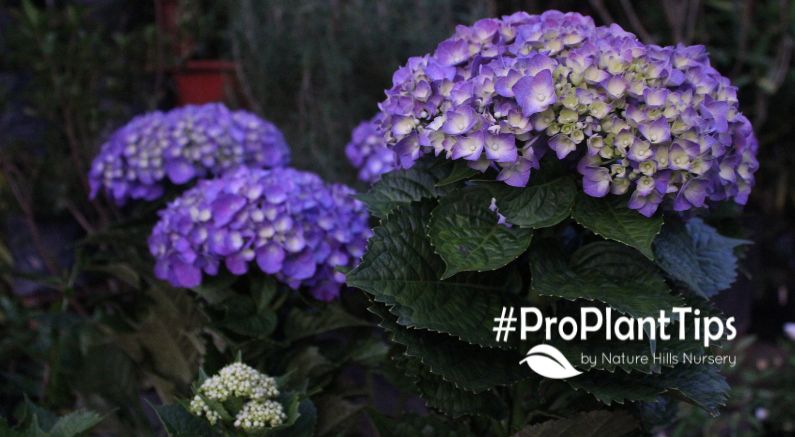
If you're dreaming of a lush, blooming paradise in your shade garden, shade-loving Hydrangeas are the answer! These versatile, shade-tolerant flowering shrubs are a favorite among gardeners looking to brighten up dappled or low-light areas with stunning blooms and vibrant foliage.
At Nature Hills Nursery, we offer a wide selection of Hydrangea varieties for shade perfect for shady spots, making it easy to find the right fit for your partial shade garden!
Let's explore ten spectacular Hydrangeas that grow in shade and discover why they're a must-have for your shaded outdoor space!
- Why Hydrangeas Thrive in Shade
- Top 10 Hydrangeas For Shade Gardens!
- Caring For Your Hydrangeas
- How to Use Hydrangeas in Shade Gardens:
- Bring Your Shade Garden To Life With Hydrangeas!
Why Hydrangeas Thrive in Shade

Hydrangeas for shady areas are natural shade lovers, especially mophead Hydrangeas and lacecap Hydrangea varieties. While they enjoy morning sun, many shade garden Hydrangeas thrive in areas with partial to full shade landscaping. Plants in warmer climates prefer protection from the afternoon sun, where they'll be shielded from harsh sunlight. This is especially true for Hydrangeas in hot climates.
With the right care, low-light Hydrangeas reward gardeners with long-lasting, show-stopping blooms that shift colors with soil pH levels. They offer unique textures and lush greenery perfect for woodland garden design.
Top 10 Hydrangeas For Shade Gardens!
1. Climbing Hydrangeas
A unique climbing Hydrangea variety that works as either a climbing vine, rambling shrub, or flowering groundcover! Climbing Hydrangeas for shade handle full shade in all climates and flower beautifully, making them perfect for vertical garden elements.
2. Annabelle Smooth Hydrangea
Known for its massive, white snowball blooms, the Annabelle Hydrangea is a show-stopper for shady garden landscapes. It's easy care Hydrangeas that tolerate a wide range of soil conditions for Hydrangeas, making it perfect for beginner shade gardening.
3. Tuff Stuff™ Mountain Hydrangeas
The lacecap Tuff Stuff™ line includes the dwarf Tiny, Red, Reblooming, and the Ah-Ha® varieties. This cold-hardy Hydrangea variety is ideal for gardeners in cooler zones. It produces lacy, colorful blooms that thrive in partial shade and bring elegance to any shade garden design. Mix with partial shade perennials!
4. Incrediball® Smooth Hydrangea
If you love oversized Hydrangea blooms, the Incrediball Hydrangea is for you! Its sturdy stems hold up enormous white blossoms that light up shady garden corners with elegance and charm.
5. Little Lime® Panicle Hydrangeas
A compact Hydrangea variety and smaller version of the classic Limelight Hydrangea, the line includes Little Lime® and Little Lime Punch™. These dwarf Hydrangeas for shade deliver creamy greenish-white blooms that age into soft pink and green hues. Perfect for small shade gardens or container gardening in shade.
6. Twist-n-Shout® Endless Summer® Bigleaf Hydrangea
This reblooming Hydrangea lacecap variety is a standout for partial shade gardens. Its delicate, lacy flowers and vibrant green leaves add a whimsical touch to shaded landscape areas.
7. Invincibelle® Ruby Hydrangea
This unique red Hydrangea variety boasts deep ruby-red blooms with a touch of pink. It thrives in partial shade, and the plants add a bold pop of color to any shade garden color scheme.
8. Pinky Winky® Panicle Hydrangea
A Proven Winners® Hydrangea with character! Pinky Winky features striking, two-toned panicles that shift from white to deep pink as they mature. It performs beautifully in partial shade shrubs.
9. Bobo® Panicle Hydrangea
This dwarf Hydrangea variety is perfect for small shady spaces. It's compact yet prolific, with creamy white blooms that turn blush pink as the season progresses - ideal for compact shade gardens.
10. Cityline® Paris Bigleaf Hydrangea
Compact and vibrant, this mophead Hydrangea is great for foundation plantings shade or containers for shade gardens. Its vivid red or pink blooms thrive in shady spots, creating an eye-catching display.
Caring For Your Hydrangeas
Growing Hydrangeas in shade is surprisingly easy once you know what they need!
Essential Tips For Growing Hydrangeas in Shade
Light Requirements: While Hydrangeas tolerate shade, most varieties appreciate morning sun for Hydrangeas for better blooming. Look for dappled sunlight or bright indirect light. Hydrangeas in cold zones will see the best flowering with more sun exposure.
Soil Requirements: Plant Hydrangeas in well-draining soil enriched with organic matter. Keep the soil moist for Hydrangeas but not waterlogged. Color-changing Hydrangeas will be pink in alkaline soil and blue in acidic soil conditions.
Watering Hydrangeas: A regular Hydrangea watering schedule is essential, especially in shaded spots where soil may dry out more slowly. Use the Finger Test to know when to water.
Mulching: Apply a 3-4 inch deep layer of mulch for Hydrangeas around the base to retain moisture and regulate soil temperature.
Pruning Hydrangeas: Prune as needed, but Hydrangea pruning timing depends on the variety. For example, mophead Hydrangeas bloom on old wood, so prune lightly after flowering.
Deadheading: Deadhead Hydrangea blooms to encourage reblooming and keep your plants looking fresh. However, many Hydrangea varieties for winter interest look best when you leave their blooms to dry on the shrub, providing dried Hydrangea flower arrangements.
Fertilizing: Fertilize Hydrangeas in spring with a balanced fertilizer. Adjust your soil pH for Hydrangeas to encourage or retain the color of certain types.
With proper Hydrangea maintenance, your plants will reward you with gorgeous blooms year after year.
How to Use Hydrangeas in Shade Gardens:

Shade-tolerant Hydrangeas are ideal for under tree canopy planting, alongside north-facing wall gardens, or tucked into shaded garden corners.
Their versatility makes Hydrangeas perfect for foundation plants, Hydrangea hedge ideas, or stand-alone focal points in shade landscape design.
Oakleaf Hydrangeas for woodland gardens are fantastic, and Mountain Hydrangeas handle heavy tree-lined canopies beautifully!
Hydrangea Garden Design Inspiration:
- Create a layered shade garden border by combining Hydrangeas with hostas, ferns, and astilbes for shade
- Add depth and dimension by planting Hydrangeas as backdrops for shade-loving perennials
- Use compact Hydrangea varieties in containers for patios or shaded entryways
- Design an all-Hydrangea garden for a truly dramatic, cohesive look in your shade garden landscaping
Bring Your Shade Garden To Life With Hydrangeas!
Nature Hills Nursery offers an incredible selection of Hydrangeas for sale to suit every shade garden layout. Whether you're looking for vibrant Hydrangea colors, oversized Hydrangea blooms, or compact Hydrangea varieties, there's a perfect Hydrangea for your shade garden.
Explore the Nature Hills Nursery Hydrangea collection today and find the perfect match for your shade garden makeover!
Get ready to transform your shady garden spaces into stunning, blooming havens with the magic of shade-tolerant Hydrangea plants!
Happy Planting!


