
Worried about your Roses looking spotty, wilted, or bare? Roses are tough but can fall victim to a few common diseases, especially in humid Southeastern or rainy Northwestern climates. Knowing how to identify early signs, take preventative steps, and treat issues quickly will keep your rose garden blooming strong and stress-free all season long!
When Roses Struggle: What Gardeners Should Know
Whether you're growing heirloom climbers, compact shrub roses, or modern disease-resistant hybrids, your roses can still face challenges. Fungal infections like black spot, powdery mildew, and rust are some of the most common problems, but there are also viral threats like Rose Rosette Disease and pest-related damage that can mimic disease symptoms.
Many issues start small, yellowing leaves, black splotches, curling petals, but spread fast if ignored. By learning to recognize the early signs, you can stop the problem before it spreads. And with today's range of organic treatments, own-root Rose options, and smarter garden practices, it's easier than ever to keep your plants healthy and happy.
In this blog, we'll walk you through the most common Rose diseases, show you how to ID them like a pro, offer natural and conventional treatment options, and share the best prevention tips to build a Rose garden that's as resilient as it is beautiful.
Top Rose Diseases
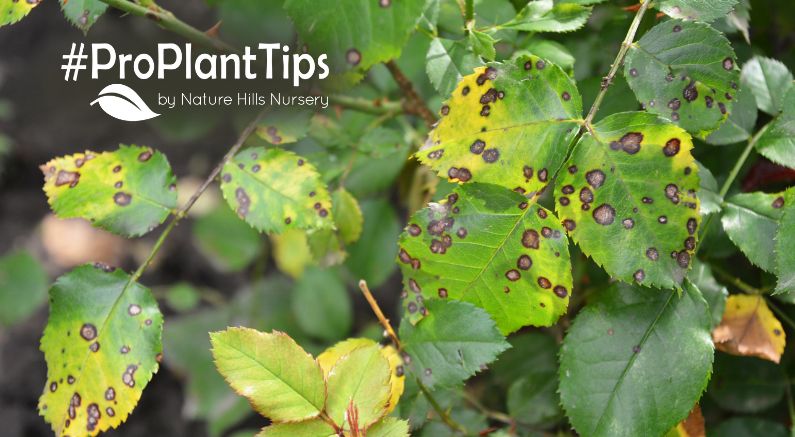
1. Black Spot (Diplocarpon rosae)

This infamous fungal villain causes round black spots with fringed edges on leaves, eventually turning them yellow and causing defoliation.
Look for:
- Yellowing leaves with black blotches
- Leaves dropping prematurely
- Weak, leggy stems from stress
Conditions that encourage it:
- Warm, humid environments
- Poor air circulation
- Water sitting on leaves
Fix it with:
- Good pruning to increase air flow
- Soaker hoses instead of overhead watering
- Fungicidal sprays (organic options: neem oil or copper)
2. Powdery Mildew

This disease dusts your Rose's foliage, stems, and even flowers with a white, powdery coating, especially on young leaves and buds.
Look for:
- Cupped or distorted new leaves
- White powder on foliage and stems
- Reduced flowering
Prime conditions:
- Cool nights and warm days
- Crowded plantings
Fight it by:
- Thinning out growth
- Watering early in the day
- Sprays like potassium bicarbonate, neem oil, or horticultural oil
3. Rose Rosette Disease (RRD)

This one's the heartbreak of the Rose world. Rose Rosette Disease is caused by a virus-like pathogen spread by a tiny mite called the eriophyid mite. It can transform your beauty into a beast in just one season.
Look for these telltale signs (aka "Witches" Broom" symptoms):
- Excessive thorniness (more than normal)
- Distorted, clustered red growth (called witches' broom)
- Elongated, thick stems with odd coloration
- Misshapen, stunted, or sterile flower buds
- Leaves with a red hue that never turn green
Transmission:
- Spread by wind-blown eriophyid mites
- Can be spread during pruning if tools aren't sanitized
The bad news:
There's no cure. Once infected, the entire Rose must be removed, roots and all, and destroyed to stop the spread. Don't compost infected plants!
The good news:
You can prevent it with good garden hygiene and design:
- Space plants to reduce mite movement
- Control mites with insecticidal soap or horticultural oils early in the growing season
- Monitor new growth weekly for any signs
- Sterilize pruning tools between each cut
- Consider using resistant Rose types (some Knock Out® series show better resistance)
4. Rust (Phragmidium spp.)

A lesser-known fungal foe that shows up as orange or rust-colored pustules on the undersides of leaves.
Spot it by:
- Yellowing leaves
- Tiny rust-colored spots, especially on lower leaves
Control tips:
- Remove infected leaves
- Prune to open the plant up
- Use sulfur-based fungicides
5. Botrytis Blight (Gray Mold)

This disease usually strikes during cool, damp weather, covering flower buds with a fuzzy gray mold.
Symptoms:
- Buds turn brown and fail to open
- Gray fuzzy growth on petals and stems
- Leaf or stem dieback
Solutions:
- Remove affected buds and stems
- Improve air circulation
- Apply fungicide early
6. Japanese Beetles

Shiny green-and-bronze beetles that skeletonize leaves and chew on flowers.
Control:
- Hand-pick in the early morning. Knock them off into a bucket of soapy water.
- Use pheromone traps (placed far from Roses)
- Neem oil can reduce feeding
7. Cane Borers

These insects burrow into freshly pruned canes, causing dieback.
Prevention:
- Seal pruned canes with white glue
- Prune to just above an outward-facing bud
Smart Rose Care
"An ounce of prevention is worth a pound of cure."
Even the toughest Roses need a little support when the weather turns wet. Use these practical tips to help your Roses stay healthy, bloom beautifully, and fight off disease in damp, humid conditions.
1. Prioritize Air Circulation
Plant Roses with space to breathe. Avoid crowding them near fences, buildings, or other shrubs. Good air circulation helps dry the leaves faster, which is key to preventing fungal issues like black spot and mildew.
2. Water the Roots, Not the Leaves
Water Roses the right way. Skip overhead sprinklers, wet foliage invites disease. Instead, use drip irrigation or soaker hoses to deliver water directly to the root zone. This method reduces splash-back and keeps leaves dry and healthy.
3. Mulch for Moisture and Protection
Apply a thick layer of natural arborist mulch (wood chips, bark, or leaves). It:
- Blocks soil-borne fungus from splashing during rain
- Regulates soil temperature
- Improves drainage
- Smother weeds
- Adds organic matter as it breaks down
Spread mulch 3, 4 inches deep, keeping it a few inches away from the base of the plant, and refresh it each year.
4. Prune and Clean with Care
When pruning Roses, use clean, sanitized tools when pruning to avoid spreading disease. Deadhead spent blooms to boost new growth and airflow. In early spring, thin out the center of the Rose bush and remove any dead or crossing canes.
Regularly clear away fallen leaves or petals from around the base to prevent fungal spores from sticking around and spreading.
Read more on overwintering Rose bushes and Climbing Roses, and step-by-step instructions for unwintering your Roses here.
5. Feed Your Roses the Right Way
Roses need regular nutrition to thrive. Apply a balanced organic Rose fertilizer according to the label during the growing season. Feeding steadily, without overdoing it, helps strengthen the plant, which boosts its natural ability to resist pests and disease.
6. Know Your Rose Type: Own-Root vs. Grafted
In colder climates or areas with wet conditions, own-root Roses offer dependable regrowth after damage or winter die-back. Since they're not grafted, they return true to type year after year. Grafted Roses, on the other hand, often combine traits from multiple resilient varieties, offering strong performance when conditions are right.
7. Treat Smart, Not Broad
Avoid blanket spraying. Instead, target specific issues with organic options like neem oil, baking soda solutions, or copper fungicides. Early detection and selective treatment go a long way in keeping your Rose garden naturally healthy.
Let Your Roses Thrive With Confidence
Even in humid summers or rainy regions, growing healthy Roses is absolutely possible. It comes down to choosing the right varieties, maintaining airflow, and using sound care practices. With these steps, you'll enjoy long-lasting blooms and stress-free gardening.
When you shop with Nature Hills, your quality Rose Bush is protected by their industry-leading Plant Sentry™ compliance system, ensuring your plants arrive healthy, legal, and ready to thrive. Plus, you'll get lifelong support from a team of gardening experts who are just as committed to your success as you are! So your Roses (and your confidence) can grow strong season after season!
Happy Planting!
