Free Shipping on Orders $199+

Growing Zone: | Garden in
Find your Growing Zone!

How to Plant Grass Plugs in 3 Easy Steps

How to Plant Grass Plugs in 3 Easy Steps - Nature Hills Nursery

Nature Hills Nursery |

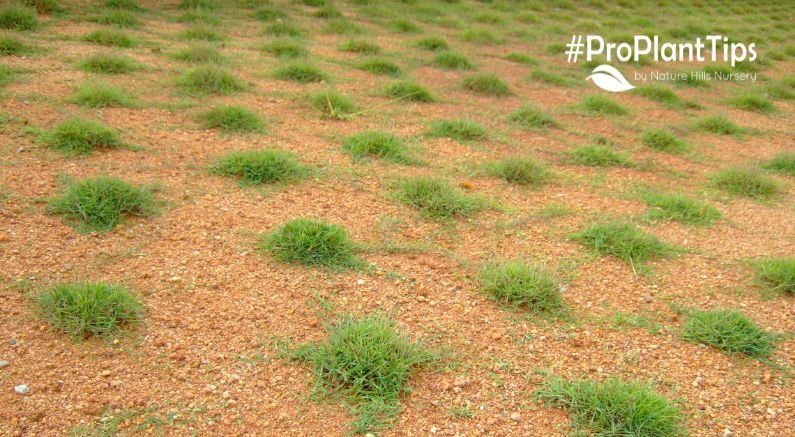
Spring is the time when you step out into your winter ravaged lawn and say "What the heck happened here?!" It's also the time to plant grass plugs and reclaim that yard as the beautiful lawn specimen you know it should be. Here at Naturehills.com we often get asked about grass planting this time of year. People say that they like the idea of grass plugs over the expense of sod or the uncertainty of seeding, but are afraid that planting grass plugs is too hard. We are here to tell you a resounding "NO!" Grass plugs are a cinch to plant and care for and are a great alternative to seeds and sod.

Picking your plugs may be the toughest part. They come in St. Augustine, Zoysia, Centipede, Bahia, Bermuda, Buffalo and many others. If you're not sure what to plant, Zoysia is a pretty safe bet as it grows over most of the continental US from the Deep South to the frigid north.

Once you've picked them out, planting plugs easy as easy as 1-2-3:
Step 1 - Thoroughly water the area you intend to plant, whether a whole lawn or a small bare patch. This softens the soil.
Step 2 - Dig holes for the plugs in a checkerboard pattern for the best coverage. The holes should be only as deep as the plug roots. To speed this up use an auger made for planting bulbs and plugs. This is attached to a hand drill and will save you time and a backache. In each hole put a scoop of lawn fertilizer to give the grass a head start. Plant the plug in the hole and tap the soil around it so that is snug and secure.
Step 3- Water the whole area again and every day for a week to 10 days. This is enough time for the plugs to get securely rooted. Water regularly thereafter to assure a healthy lawn.

grass plug

After 4-6 weeks you can mow the lawn as normal. A couple of pro pointers:
*The closer you plant the plugs, the quicker the lawn will fill out.
*Typical grass plug spacing:
- 12" Apart-1 tray of 18 plugs will cover 32 square feet
- 15" Apart-1 tray of 18 plugs will cover 40 square feet
- 18" Apart-1 tray of 18 plugs will cover 56 square feet

See? Planting plugs is easy! Good luck with your lawn and give us a call if you have any questions. Here is a quick example in a video as well:

Previous Next

Frequently Asked Questions

How do I prepare the soil before planting grass plugs, especially if there's existing weeds or sod?

Before planting grass plugs, thoroughly water the area to soften the soil for easier digging. Remove any existing weeds by hand or with herbicide treatment 2-3 weeks prior to planting, and rake away dead debris. If replacing old sod, you can plant plugs directly through it by cutting holes, or remove sections of damaged turf first. Water the prepared area again, then dig holes in a checkerboard pattern only as deep as your plug roots, spacing them 12-18 inches apart depending on how quickly you want coverage.

What is the best spacing for grass plugs to ensure good coverage without wasting them?

The optimal spacing for grass plugs depends on how quickly you want full coverage. Plant plugs 12 inches apart for faster fill-in (18 plugs cover 32 square feet), 15 inches apart for moderate coverage (18 plugs cover 40 square feet), or 18 inches apart for maximum economy though slower establishment. Remember that closer spacing means quicker lawn development but requires more plugs upfront. Choose your spacing based on your budget and patience level for achieving full lawn coverage.

When is the ideal time of year or season to plant grass plugs for the best establishment?

Spring is the ideal time to plant grass plugs when soil temperatures warm and growth accelerates. For warm-season grasses like Zoysia, St. Augustine, and Bermuda, plant plugs from late spring through early summer when nighttime temperatures consistently stay above 60°F. This timing allows 4-6 weeks of establishment before peak growing season and ensures plugs develop strong root systems before winter dormancy. Plant when your area has passed the last frost date and soil has warmed for optimal establishment success.

How deep should I plant grass plugs so they root properly without burying the crown?

Plant grass plugs only as deep as their existing root systems, ensuring the crown (where roots meet shoots) sits at ground level. Digging holes deeper than the plug roots can cause crown rot and poor establishment. Use a bulb auger attached to a hand drill to create precise holes that match your plug depth. After planting, tap soil firmly around each plug so it sits snug and secure without covering the grass crown.

What tools make digging holes for grass plugs easier, like augers or pluggers?

An auger designed for planting bulbs and plugs, attached to a hand drill, will significantly speed up the hole-digging process and save your back from strain. These augers create perfectly sized holes that match the depth of your plug roots. Dedicated plug planting tools are also available that create uniform holes in one motion. Choose an auger diameter that matches your plug size and dig holes only as deep as the plug roots to ensure proper planting depth.

How often and how much should I water grass plugs in the first few weeks after planting?

Water your newly planted grass plugs daily for the first 7-10 days to ensure proper root establishment. Apply enough water to thoroughly moisten the soil around each plug without creating standing water or soggy conditions. After this initial period, transition to regular watering 2-3 times per week, adjusting frequency based on rainfall and temperature. Monitor the plugs closely during this establishment phase and increase watering frequency during hot, dry spells to prevent stress.

Do I need to remove existing grass or sod completely, or can I plant plugs directly into it?

While the article doesn't explicitly address planting in existing grass, grass plugs work best when planted in prepared soil with good soil-to-root contact. For thin or patchy areas, you can plant plugs directly into existing turf, but remove any thick or competing grass in a 4-6 inch diameter around each planting hole. For heavily weeded or thick existing lawns, remove the old sod completely for better establishment. Water thoroughly before planting to soften the soil, then follow the standard spacing guidelines of 12-18 inches apart depending on how quickly you want coverage.

What type of fertilizer should I use when planting grass plugs, and how do I apply it?

Use a balanced starter fertilizer (such as 10-10-10 or 12-12-12) when planting grass plugs, applying one scoop directly into each planting hole before inserting the plug. This gives the grass an immediate nutrient boost to establish strong roots during the critical first 4-6 weeks. After planting, follow up with regular lawn fertilizer applications according to your grass type's seasonal needs. Water thoroughly after fertilizing to activate the nutrients and prevent root burn.

How long does it take for grass plugs to fill in and create a full lawn?

Grass plugs typically take 6-12 weeks to establish strong root systems and begin spreading, with full lawn coverage occurring within 1-2 growing seasons depending on grass type and spacing. Faster-spreading varieties like Bermuda and St. Augustine will fill in quicker than slower grasses like Zoysia or Buffalo grass. Plugs planted 12 inches apart will create a fuller lawn faster than those spaced 18 inches apart. For best results, plant plugs in late spring when soil temperatures reach 65°F and maintain consistent watering during the establishment period.

What are the most common weeds that compete with grass plugs, and how do I control them?

Common weeds that compete with newly planted grass plugs include crabgrass, dandelions, clover, and broadleaf plantain, which thrive in the same conditions as your developing lawn. Apply a pre-emergent herbicide in early spring (March-April in most zones) before soil temperatures reach 55°F to prevent annual weeds like crabgrass from germinating. For existing broadleaf weeds, use a selective post-emergent herbicide labeled safe for your specific grass type, but wait until plugs are established (6-8 weeks after planting). Hand-pull weeds around young plugs during the first month to avoid chemical damage to tender new growth.

Find Your Garden's Growing Zone!

Your Current Growing Zone:

Zone

ZIP Code:

✓ Growing Zone Set Successfully!

Your zone has been saved and will be used throughout the site.

⚠ Unable to locate a growing zone for that ZIP code.

Please check your ZIP code and try again.

Looking up your growing zone...

When ordering a tree or plant, make sure to know your planting zone.

You can determine your garden's USDA hardiness zone by entering your Zip Code below.