
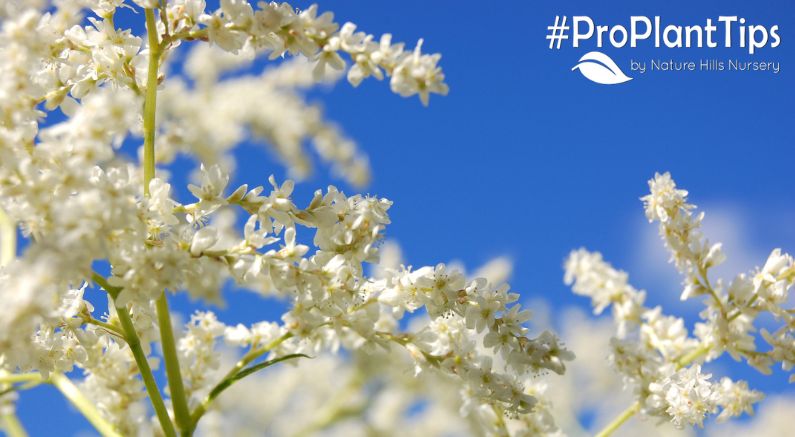
Spiraea shrubs are tried and true garden workhorses that have been used for over 300 years! They are native to the Northern Hemisphere and there are over 70 species of Spiraea and some species have several dozen varieties.
These are super popular, smaller space-saving, flowering shrubs - which we have seen an explosion of new selections over the years because of their versatility!
All About Spirea

Spiraea, also known as Meadowsweet, and often spelled Spirea commonly, are deciduous shrubs, very ornamental, and sports flower colors ranging from white, pink, and crimson. These tiny little flowers make up clusters of blooms that often look like the fizz atop a freshly poured soda! How delightful!
There have been so many exciting hybrids and cultivars released as of late, leading to a dizzying array of great features, varied sizes, incredible variations in color, vibrant fall color, and multi-seasonal interest!
Nature Hills sells two different types of Spirea - the smaller selections that rebloom, and the larger growers that bloom early and with abandon. Some of the older cultivars have been around since the early 1900s and are still being grown today!
You can imagine that these reliable bloomers and even repeat bloomers are a fan favorite of pollinators! Often mounding shrubs that rarely get too tall, these are widely adaptable to a broad growing zone range but all share the same fine textured, lance-shaped foliage with adorable toothy edges!

While bees, butterflies and even hummingbirds drop by for a visit, deer and rabbits aren’t too keen on these shrubs, which is why they’re usually so common in the home landscape. Some of the older varieties become too widely used, but there is a reason they are considered a classic! However, there is always a place for our newest varieties!
So take a look at the new and improved cultivars that are being introduced that will knock your socks off and bump up curb appeal while still retaining their workhorse roots!
The Basics of Spirea Care
The two main types of Spirea are those that bloom on last year's wood (blooming only once in spring) so pruning after the flowers are done. The other type is those that bloom on new wood and most of these will rebloom and best if deadheaded.
Spirea are hardy and easy to grow deciduous shrubs. Spireas prefer to be planted in well-drained soils with lots of organic matter, but Spireas can also do just fine in poor soils and city locations. Wet, boggy soils are not tolerated.

Most Spiraea needs to be planted in full sun to flower regularly and grow strong. Provide at least 6 hours of direct sun a day for best results, however, many Spirea even tolerate partial shade and bloom just as profusely!
Varieties of Spiraea
From romantic old-fashioned garden standards to modern colorful container shrubs - Spiraea has certainly added to the family diversity in some major ways! From the largest grand Vanhouttei Spirea which can reach nearly 9 feet tall, to the tiny Mini Gold Spirea that stays sweet and petite! From early spring blooming to late fall blooming varieties and everything in between!
Old-Fashioned Bloomers
Larger growing, old-fashioned selections that sport white flowers in masses of blooms in May or early June (depending upon where they are grown). If you are anywhere in the upper Midwest, you will probably have seen these romantic arching and cascading stems of Vanhouttei Spirea and Bridal Wreath (aka Bridalwreath) Spirea! Due to their bloom time, many cemeteries have planted hedges of them that have remained for decades!

White clusters of flowers are neatly arranged all along the stems from the tips all the way down into the plant. It literally looks like there was a wild snowstorm and the plant was flocked with fresh, white snow.
Then there is a finer textured and smaller growing spring blooming Spirea called Grefsheim. Although Grefsheim is a different species, it rocks! Smaller leaves and gorgeous and very dainty flat-topped bands of white flowers appear all along the tops of every stem, completely covering the plant with blooms. The selections called Snowmound and Renaissance stay slightly smaller and are free flowering. Still forming blooms along the tops of the stems, but also in adorable rounded button clusters of snowy white! Snowmound has the bonus of developing brilliant orangy yellow fall color too!
Japanese Spirea
The other group of Spirea in the Spiraea japonica includes Froebelii Spirea and several similar fantastic varieties! The flowers are born on the tips of each stem in mostly flat-topped clusters and are typically only 3 inches wide. The plants are very forgiving and ask for a little sun, an occasional haircut, and some additional moisture during periods of drought.

This group of Spirea stays smaller ranging from 15' high and wide to 3-4' high and wide. There is a wide array of leaf colors with some emerging in beautiful oranges and reds to bright yellow and some green. Anthony Waterer features reddish-purple blossoms, blue-green foliages and burgundy fall color! The unique foliage of the Crisp Leaf Spirea 'Crispa' has elongated toothy edges and leaves that are almost curled, plus red spring growth and fizzy dark pink blossoms.
The flower colors range from white to pink to red and everything in-between. The beauty of this group of Spirea is once that first round of flowers begins to fade, trim off the spent flowers and stand back and wait for the next flush of bloom! The birds and bees will love the flowers and so will you as they are great cut flowers too.
These small and very manageable shrubs are very colorful from the minute they start to leaf out, all while they are in flower, and feature amazing summer foliage colors, the Dakota line of Spirea finishes the growing season off with a myriad of fall colors!
These Spirea make great foundation plants because of their smaller size. They work well in mass plantings for big open areas or embankment plantings. They are great edging or front of the shrub border plants.
- Dakota Goldcharm is a rebloomer with color-changing foliage and rosy blooms smothering a compact smaller shrub only 15-18 inches tall!
- Proven Winners® Color Choice® Double Play® Artisan® Spiraea may have a long name, but its list of unique features has earned its lengthy moniker! Plum blossoms and new spring growth, fantastic green foliage and brilliant fall color are all packed into a neat and tidy 24-30 inch mound!
- Chartreuse cousin Double Play Big Bang has rosy blooms and fiery reddish spring and fall color, while Double Play Gold Spirea keeps its golden yellow foliage almost all growing season. Both stay barely knee-high with ease!
Hydrangea Look-Alikes

Tor Spireas
Tor Spirea, also known as Birchleaf Spirea, features rounder toothy leaves similar to their namesakes. Featuring fantastic spring and fall color, and many small blooms clusters floating over incredibly vivid bright green foliage! The Spiraea betulifolia varieties include the chartreuse Glow Girl® and Pink Sparkler!
Seed-Free Modern Shrubs
Sometimes Spirea does a little too well in some areas and they can get into trouble in the native landscape. In some areas, some of the above selections of Spiraea may produce seed and could be restricted or prohibited from being shipped to your area, which is why we developed Plant Sentry™.
Plant Sentry™ prevents the sale and shipment of any plant that any state has prohibited from being shipped - Nature Hills is doing our job to prevent the spread of invasives! That first round of breeding brings us a sterile Spirea that we call PowderPuff™ and Double Play Doozie®.

me of these newest varieties are sterile and you should watch for those introductions to be ready for shipping to you soon! Best of all, it’s gorgeous and offers reblooming through the summer season. Soft pink flowers are born in clusters on the tips of each branch in profusion every June. Closer inspection of the flower clusters reveals a raspberry red eye in each of the florets intensifying the soft pink color with an almost lavender overall cast. Just beautiful!
Pruning Spirea Bushes
Since most Spiraea is a spring blooming shrub, the best time to prune established Spirea is after the flowers have faded.
Once a Year Blooming Spirea
The once-a-year blooming Spiraea (Vanhouttei, Renaissance, Snowmound, Halward's Silver, Bridal Wreath, Grefsheim, etc) typically bloom in late spring. These bloom on last year's stems, so prune right away once the flowers fade. Spirea can be cut back to the ground if they get too large. Or simply remove the oldest and thickest stems to the ground. These types of renewal pruning allow for new young stems to grow, ready to flower again next year!
Prune them either by reducing the size or they can be cut way back and allowed to regrow without interrupting next year's bloom. If a major pruning isn’t required, then a light shearing not only cleans up the plant after the blooms begin to turn brown and to keep the shrubs tidy. Pruning and shearing also encourage a second flush of flowers in reblooming varieties.

If you prune these spring-blooming-only Spireas in summer or fall, you will cut off all of next year's flowers!
Reblooming Spirea
The summer and fall reblooming selections of Spiraea should be cut back each spring before they start to grow to reduce last year's growth and even the plants up. Then after the first round of bloom, shear off the old flower heads, and you will be rewarded with rebloom!
Some great reblooming varieties are the Double Play® series which have long-lasting reblooming shrubs of all colors and sizes available!
Where & How To Use Spirea In The Landscape
- Need a spring wake-up call for your landscape? Try a few Goldmound Spirea
- Need to bump up fall color? Plant the mini Flaming Mound Spirea or Goldflame Spirea
- Love the color red? A sterile Double Play Doozie® Spirea has unique spring-fall blooms
Spiraeas are commonly used in the landscape for tall and low, informal hedges, backdrops and shrub borders. The light and airy feel and texture they add to the garden are unmatched! Define your property lines and screen off private nooks and seating areas from prying eyes with these faster-growing shrubs!

Use as facer shrubs to hide the leggy bare stems of larger plants and shrubs, or to brighten your existing foundation plantings. Employ smaller statured shrubs as edging and groundcover, and line garden paths and edges with tidy and easy-to-grow small shrubs for a colorful transition between lawn and garden! Regularly used as great foundation plants, their long season of bloom and vivid colors are sure to bump up curb appeal.
Taller Spirea are great as backdrops to perennial gardens or the garden border. Try a mixed-shrub border of just Spirea by layering in shorter facer shrubs in front of the taller varieties for more interest! Have fun mixing and matching flower and leaf colors, textures and various sizes for a patchwork quilt of color all growing season!
These are low-maintenance and easy-care enough for large plantings, stop erosion on hillsides and slopes, and even tolerate the tricky conditions of the hell-strip along the roadside and sidewalk, street sides and driveways! The low-growing forms of Spirea are ideal for massing and groundcover, and for planting on inclines or steep areas that are dangerous to mow. Got a hillside that sheds water fast or is eroding? Plant a swath of Spirea that hold soil steadfastly and slows rainwater runoff.
So Easy to Care For!

These easy-going shrubs add that special something to the garden! Bright colors all growing season and dense, twiggy growth, there’s no real downside to these incredible ornamental bushes!
It’s the widespread use and high adaptability that may have been too widely used in new construction and commercial landscapes, but with newer cultivars and colors, you’ll easily be able to set your home's landscaping apart from all the others with these tried and true landscaping workhorses!
Hurry and order your own bright garden powerhouses for your next project, or dress up your existing landscaping with space-saving and colorful ornamental flowering shrubs from NatureHills.com! We’re sure you’ll see what all the fuss is over!
Happy Planting!

