Free Shipping on Orders $199+

Growing Zone: | Garden in
Find your Growing Zone!

Handling Slugs & Snails Like A Pro!

Handling Slugs & Snails Like A Pro! - Nature Hills Nursery

Charlotte Weidner |

Winning the War on Slugs & Snails in Your Garden!

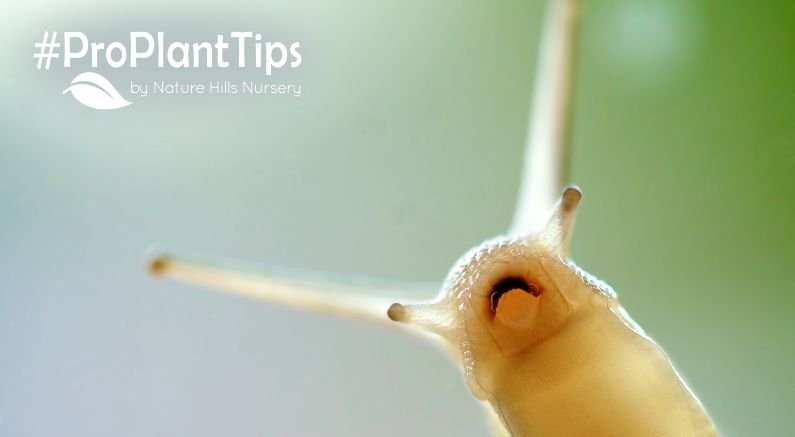
Snail on a leaf

Slugs and snails are some of the sneakiest, slimiest garden pests around! They chew holes in leaves, munch on veggies, and love hiding in damp, shady spots. But don't worry! You can stop them fast with the right tools and know-how!

From fun facts to garden-safe solutions, we’ve got the scoop on how to kick these slimy critters to the curb without breaking a sweat!

Slugs: Fast Facts About Slow Movers

  • Slugs are soft-bodied and have no shell.
  • They can stretch and squeeze into tight spaces.
  • Most slugs are night crawlers, meaning they come out when it’s dark, cool, and moist.
  • They leave behind a slimy trail, that’s how you know they’ve been munching.
  • A single slug can eat up to 40 times its body weight in one day.
  • Slugs love lettuce, shade plants like Hosta's, Strawberries, and tender seedlings.

Snails: What You Should Know

  • Snails look like slugs but carry a spiral shell on their back.
  • They need moisture to survive and often hide under leaves, mulch, or pots.
  • Snails feed on many of the same plants as slugs.
  • Like slugs, they move by gliding on a muscular foot and leave a silvery trail.
  • Snails are hermaphrodites, which means each one has both male and female parts, so they can lay lots of eggs!

Homegrown Ways to Stop Slugs & Snails

You don’t need to spend big bucks to beat these pests. Try these simple, natural methods:

  1. Handpick Them

Go out at dusk or early morning with a flashlight. Pick ‘em off and drop them into a bucket of soapy water. It's icky but effective! Get the kids involved, but wash your hands after!

  1. Beer Traps

Sink a shallow dish in the ground and fill it with beer. Slugs love the smell, crawl in, and drown. Swap it out every couple of days.

  1. Crushed Eggshells or Diatomaceous Earth

Sprinkle around plants. These sharp edges are tough on slug bellies. They won’t want to cross that line. Find diatomaceous earth here.

  1. Copper Tape or Wire

Slugs and snails get a harmless shock when they touch copper. Wrap tape around pots or raised beds for a slimy-free zone.

  1. Coffee Grounds

Caffeinated soil? Yes, please! Sprinkle used coffee grounds around plants. It repels slugs and adds nutrients to your soil.

  1. Keep Things Dry

Water in the morning, not at night. Slugs and snails love moist soil, so keeping the garden dry in the evening helps reduce their party time. Read more on the right way to water here!

  1. A Barrier of Salt

For small settings and as a quick fix, a line of salt around a juicy plant will keep pests at bay. However, salt has quite a few disadvantages.

Why You Shouldn’t Use Salt on Slugs

  • It’s Inhumane
    Salt kills slugs through dehydration, a painful and cruel way to go.
  • It Harms Your Soil
    Salt can linger in the soil, damaging plant roots and throwing off soil pH.
  • It Kills Helpful Microbes
    Healthy soil needs good bugs, but salt wipes them out, too.

Chemical Solutions (Use With Care)

If the natural methods don’t cut it, here are stronger tools to try:

  1. Iron Phosphate Pellets

Look for organic slug baits made with iron phosphate. It’s safe for pets, birds, and bees, and still works like a charm.

  1. Metaldehyde Slug Baits

Very effective but NOT safe for pets or kids. Use only in closed bait stations and always read the label! There are natural and chemical baits for you to choose.

  1. Neem Oil Spray

Helps with eggs and soft-bodied pests. Bonus: It also works on aphids and other common bugs! Try this ready to use spray here.

  1. Sluggo® or similar products

Made for gardeners and approved for organic gardening, just sprinkle around affected areas.

Slime Time Is Over!

Slug up close

Slugs and snails may be slow, but they’re quick to ruin your garden if left alone. Luckily, with these simple tips, you can stay one step ahead of the slime parade. Whether you go natural, chemical, or a mix of both, you’ve got the tools to slug it out and come out on top.

Remember: garden pests don’t stand a chance when you’re armed with know-how and a sprinkle of grit. So go ahead! Give those slimy invaders the boot and show your garden who's the real boss.

Happy (Slug and Snail-Free) Planting!

Previous Next

Frequently Asked Questions

Do slugs have mouths?

Yes, slugs have mouths equipped with a radula—a rasping tongue covered in thousands of tiny teeth that scrape and shred plant material. This feeding mechanism allows them to consume up to 40 times their body weight in a single day, creating the characteristic irregular holes you see in leaves. You'll notice their damage most on tender plants like lettuce, hostas, and seedlings during cool, moist conditions from spring through fall. Check your plants at dusk or early morning when slugs are most active to catch feeding damage early.

Do slugs have a mouth?

Yes, slugs have a mouth equipped with a rasping tongue called a radula that contains thousands of tiny teeth. This feeding structure allows them to scrape and chew through plant tissue, which is why you'll see irregular holes with rough edges in damaged leaves. Since slugs can consume up to 40 times their body weight daily, check your plants at dusk or early morning when they're most active to catch damage early.

Does neem oil kill slugs?

Neem oil does not effectively kill slugs and snails since it primarily works as an insecticide and fungicide rather than a molluscicide. While neem oil may create a slightly unpleasant surface that could deter slugs temporarily, it won't eliminate them like targeted methods such as beer traps, diatomaceous earth, or copper barriers. For reliable slug control, stick with proven physical barriers like crushed eggshells around plants or handpicking during early morning hours when slugs are most active.

How to get rid of pest snails?

To eliminate pest snails, handpick them at dusk or early morning when they're most active, dropping them into soapy water for immediate results. Set up beer traps by sinking shallow dishes flush with soil and filling with beer, replacing every 2-3 days as snails are attracted to the scent and drown. Create physical barriers using crushed eggshells, diatomaceous earth, or copper tape around vulnerable plants like hostas and lettuce, as the sharp edges and copper's electrical charge deter their movement. Start with handpicking for instant control, then maintain long-term protection with barriers and traps.

How to get rid of slugs?

To eliminate slugs, handpick them at dusk or early morning when they're most active, dropping them into soapy water for immediate removal. Set beer traps by sinking shallow dishes filled with beer at ground level, replacing every 2-3 days as slugs are attracted to the scent and drown. Create physical barriers using crushed eggshells or diatomaceous earth around vulnerable plants, as the sharp edges deter slugs from crossing. Focus your efforts on protecting tender seedlings, lettuce, hostas, and strawberries during cool, moist conditions when slug activity peaks.

What are the best natural barriers to keep slugs away from seedlings?

Create a 2-3 inch wide barrier around seedlings using crushed eggshells, diatomaceous earth, or coarse sand, as these sharp materials damage slugs' soft bodies. Coffee grounds also work effectively when applied in a 1-inch thick ring, plus they add nitrogen to the soil. Copper strips or copper tape provide excellent long-term protection since copper creates a mild electrical charge that repels slugs on contact. Reapply organic barriers after heavy rains and check weekly for gaps where slugs might breach your defenses.

When is the best time of day to water plants to avoid attracting slugs?

Water your plants in the early morning, ideally between 6-8 AM, to give foliage time to dry before evening when slugs and snails become most active. Avoid watering after 4 PM, as moist conditions combined with cooler nighttime temperatures create the perfect environment for these pests. Morning watering also reduces fungal diseases and allows plants to absorb moisture efficiently during peak growing hours. Set your irrigation timer or plan hand-watering sessions for sunrise to keep your garden healthy and slug-free.

Do slugs lay eggs?

Yes, slugs lay eggs in clusters of 20-50 gelatinous, pearl-like spheres typically found under mulch, logs, or in moist soil crevices. Peak egg-laying occurs in spring and fall when temperatures range between 50-70°F and moisture levels are high. Each slug can produce multiple egg clutches per season, with eggs hatching in 2-4 weeks depending on conditions. Check and remove egg clusters during garden cleanup in early spring and late fall to prevent population explosions.

How can I use copper tape effectively against slugs and snails?

Apply copper tape as a continuous 2-3 inch wide barrier around plant containers, raised beds, or tree trunks, ensuring no gaps where slugs can cross. The copper creates a mild electrical reaction with slug slime that deters them from crossing. Check tape monthly and replace when it becomes heavily tarnished or corroded, typically after 6-12 months depending on your climate. Clean the surface before application and press firmly to ensure good adhesion for maximum effectiveness.

How to care for garden snails?

Garden snails are typically considered pests rather than beneficial creatures to care for, as they can consume up to 40 times their body weight daily in plants like hostas, lettuce, and strawberries. These hermaphroditic mollusks thrive in moist conditions and hide under mulch, leaves, or pots during daylight hours. If you're dealing with unwanted snails, handpick them at dusk or early morning, or create beer traps using shallow dishes sunk into the ground. For prevention, apply crushed eggshells or diatomaceous earth around vulnerable plants to create a barrier they won't cross.

Find Your Garden's Growing Zone!

Your Current Growing Zone:

Zone

ZIP Code:

✓ Growing Zone Set Successfully!

Your zone has been saved and will be used throughout the site.

⚠ Unable to locate a growing zone for that ZIP code.

Please check your ZIP code and try again.

Looking up your growing zone...

When ordering a tree or plant, make sure to know your planting zone.

You can determine your garden's USDA hardiness zone by entering your Zip Code below.