
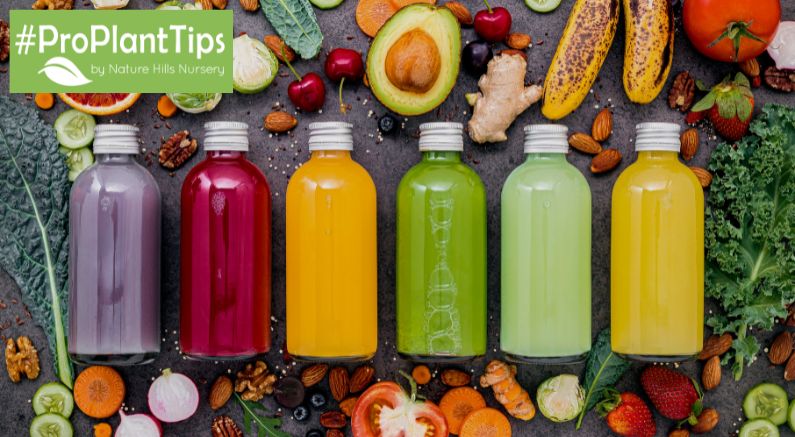
Welcome 2023! While we gardeners are cooped up this winter, we’re dreaming up new ways to get healthy, connect with the outdoors (while staying warm), and plan our next garden!
Why not combine all of these and start planning your juicing garden?
The Juicing Garden
Looking to get healthy this year? Have you made a resolution to eat better?

By squeezing or processing the liquid goodness out of your fruit and veggies is an easy way to get your nutrients on the go - without all the chewing. Fussy kids can get a dose of carrots and celery in their apple or grape juice, or a burst of vitamins in their chicken noodle soup. Add nutrition to picky eaters' meals without them ever knowing by sneaking in a few extra veggies into their everyday meals. Stealthily added to their mac-n-cheese without them ever noticing!
For us adults, it can be difficult to get all those servings of fruit and veggies in our busy lives… so just juice it!
Benefits of Juicing
Drinking your fruit and vegetables may reduce your risk of cancer, boost your immune system, remove toxins from your body, aid digestion and help you lose weight. Just from the burst of easy-to-digest, easy-to-drink forms of your daily dose of fruit and veggies are being introduced into the body! Plus consuming raw fruit and veggies ensures you are retaining as many nutrients as possible! The fresher the better, because once picked, the nutrition diminishes by the hour outside of refrigeration.

While not as healthy as eating the entire piece of fruit or the whole vegetable (you lose out on the fiber when you juiced them) Juicing extracts the juice from fresh fruits or vegetables. The liquid contains most of the vitamins, minerals, and plant chemicals (phytonutrients) found in the produce.
However those with tummy and digestive problems, or recovering from major illness, that fiber can give a stressed stomach a workout, so juicing is an easy-to-go-down way of keeping healthy.
Many try blending their fruit and vegetables into a smoothie so they benefit from both the fiber and all the nutrients - getting the best of both worlds! The fiber helps you feel full longer too!
In addition to not getting the fiber, the other downside of juicing is the juice isn’t pasteurized and will not store for very long in the fridge. Pasteurization kills some of the nutrients but makes sure the food is safer to eat when you are not sure about what is on your food.
But those are minor concerns when it comes to getting those extra nutrients into our bodies (or our picky kids) when the alternative is a burger or candy bar when we’re always on the go.
The other downside is the cost! Juicing can be expensive! But luckily you are a gardener with some room in your landscape, and plants are easy to grow and you gain so much more than just freshly grown produce when you grow your own!
- Exercise while working outdoors
- Fresh air
- Freshest produce possible
- Food within arms reach
- So many choices!
- No chemicals
- No one else handled your food
- Growing veggies and fruit is kid-friendly!
The Juicing Garden Veggies
These vegetables grown in a Juicing Garden will be the easiest, fastest to grow, and least expensive. Many of these can be started indoors in the late winter as seeds, or in early spring as starter plants at the nursery. Better yet, shop online and let NatureHills.com just deliver many of these to your doorstep this spring while you keep warm in a blanket from your smartphone!
Root Vegetables
Many of these are easy to grow and ready in one season.
- Carrots, Sweet Potatoes, Beetroot, Rutabagas, Parsnips and Kohlrabi.
- Fennel, Ginger root and Horseradish (greens and roots) add a spiced bite!
- Onion and Garlic, even the greens and garlic scapes!
Other Veggies
- Tomatoes - make your own V-8!
- Cucumbers
- Celery
- Cabbage
- Broccoli stems and other fruit/veggie peelings and scraps
- Mushroom
- Asparagus
- Nasturtium Leaves
Leafy Greens

Leafy greens contain powerful antioxidants, vitamins, enzymes, and nutrients, and they are considered one of nature's best superfoods. While often difficult to eat and prepare, juiced versions of these nutrient-rich vegetables not only help you use parts you normally would toss (like the carrot tops) or discard them entirely because of a few bug holes.
Spinach, Swiss Chard, Kale, Collards, Beet greens, and even Carrot tops are great for juicing! Even extra Lettuce, Wheatgrass, Endive, Arugula, Lemongrass, and those un-sprayed Dandelion and Purslane leaves that had the audacity to pop up in the veggie garden. They and many other garden weeds are actually powerful superfoods on their own!
Even those leaves with slightly tattered, or chewed holes in them from a passing insect, are actually considered healthier for you! Upon realizing it's under attack, the plant sends an increase in antioxidant compounds into the leaf to try and make itself taste bad to the bugs, boosting the nutrition for us. Since they aren’t pretty, just wash them off and run them through your juicer. Pickier eaters will be none the wiser!
Microgreens and Sprouts like Arugula, Beet sprouts, Broccoli sprouts and greens, Pea, Watercress, Alfalfa, Radish, Sunflower seeds, Chickpeas, Lentils, Clover, Quinoa sprouts, and Mung Beans. These take only a couple of days to sprout, and harvest in a week or more depending upon the plant. Compost the roots then replant as needed!
Herb plants - Cilantro, Parsley, Lemon Balm, Mint, Dill, Rosemary, Thyme, Sage and Basil, and many more! All add nutrition-packed flavor to your drinks and smoothies!
Microgreens, sprouts, and Herbs can be grown in containers on the porch, in sprouting jars and containers, or on a windowsill, or window box! Just snip the sprouts for nutrition-packed juicing additions. Packed with antioxidants, these are full of protein, chlorophyll, amino acids, vitamins, and minerals.
Juicing Fruits
Many of the fruits we like to eat and juice tend to take longer to produce a decent harvest, especially fruit trees. But they are in it for the long haul by producing larger amounts each year without the need to replant. Try these fruit trees, shrubs, vines, and other fruiting plants!
Easy-to-Grow Fruit
- Strawberries and Pineberry
- Watermelon
- Blueberries
Fruit That Takes Longer to Grow
- Tree fruits like Apples, Oranges, Pears, Pomegranate, Guava and Stonefruit
- Fruit bushes like Aroniaberry, Currants, Blackberry and Raspberry
- Fruiting Vines like Goji, Honeyberry, Grapes, Kiwi, and Passionfruit
- Prickly Pear fruit, Dragonfruit, and Pineapple
Other Additions

Brewers Yeast, bee propolis, Protein powders, Elderberry powder/syrup, Turmeric, Tabasco, Echinacea, Spirulina, Seaweed, and Spices like cinnamon or nutmeg, or sweeteners like honey, agave, and fresh, dried or prepared stevia.
Want to feel a bit fancy? Add a few edible flowers like Violets, Nasturtium blooms, the blooms from your Herbs, and many more!
Adding all of that nutritional goodness to other ingredients like coconut water, nut or oat milk, and more will result in a wonderfully tasty and nutritious smoothie. You can also extend your juice by adding water, store-bought juices, and flavored ice cubes.
Juicing Tips
Whether you use a Centrifugal Juicer, a Masticating Juicer, or a blender and strainer, juicing is easy and just takes a bit of practice to get used to it.
- Select unblemished and fresh fruit
- Clean, and if possible, organic
- Chilled fruits and vegetables are easier to juice
- Start with mild-tasting ingredients and work your way up to stronger flavors.
- Choose a good fruit/veggie balance to avoid the extra sugars many fruits have, leading to increased calories
What To Do With What’s Left Over
There will be leftovers in the form of pulp and trimmings/peelings when making juice. These leftovers still have plenty of nutrition and uses around the kitchen and garden! Here are a few ideas to eliminate food waste to ensure you use every ounce of your harvest!
- Mix into desserts for a flavor boost
- Popsicles, ice cream, frozen yogurt, sorbet, and gelato
- Frozen fruit ice cubes to flavor drinks
- Make fruit leather and granola bars
- Mix into jam and preserves
- Mix into pancakes, Fritters and shortbreads
- Dog treats!
- Mix into yogurt, Stir into oatmeal and hot cereals
- Freeze in an ice cube tray then Whiz up in smoothies
- Use the peels and trimmings to make vegetable stock
- Create refreshing and hydrating face masks, sugar scrubs, and other beauty products
- Mix with seeds or peanut butter for backyard bird treats
- Dehydrate and grind up. Mix into food to add flavor, color, and nutrition.
- Dry and use as garnish and zest
- Make vinegar or honey infusions
- Compost it!

New Year - New Boost!
Give your garden and your lifestyle a boost this year with a new Juicing Garden! Nature Hills can help you get your new year and new you off to the best start in 2023 with quality vegetables, fruiting plants, and all the support you need to get started!
Happy Planting!
