Free Shipping on Orders $199+

Growing Zone: | Garden in
Find your Growing Zone!

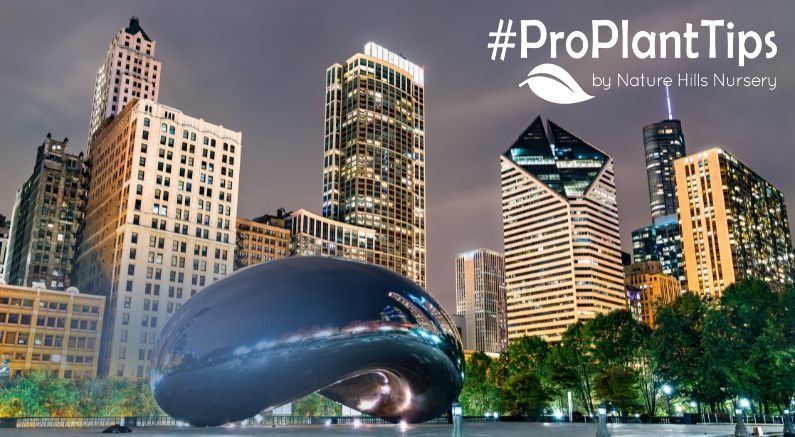
Gardening in Chicago: Best Plants for Success

Gardening in Chicago: Best Plants for Success - Nature Hills Nursery

Nature Hills Nursery |

Navigating the distinct climate of Chicago, with its snowy winters, wind, and steamy summers, offers intriguing challenges for gardeners eager to cultivate vibrant landscapes!

Success hinges on aligning plant choices with Chicago's USDA hardiness zones 5b and 6a and working with the locally abundant clay-heavy soil. Let's explore ways to enhance your garden's curb appeal and ensure its sustainability.

Chicago street garden curb appeal

Understanding Chicago's Growing Zones and Soil Conditions

Selecting plants that thrive in Chicago's hardiness zones, capable of withstanding the city's temperature extremes, sets the stage for gardening triumph!

To counteract the drainage issues posed by compaction and clay-heavy soil, incorporate compost or organic matter. Think of it as equipping your plants with the right foundation to weather both puddles and dry spells. Improving soil health is a key to happy, healthy plant roots!

Top Trees For Chicago Gardens

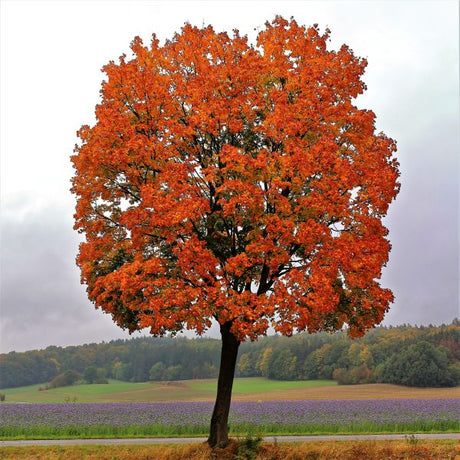
Opt for trees that blend resilience with beauty! Red Maple and American Elm stand out for their adaptability to local climatic conditions. For those seeking ornamental charm, Eastern Redbud and Serviceberry offer floral delights and seasonal color changes. Hardy choices like Autumn Blaze® Maple and Whitespire Birch bolster your garden's long-term vitality.

Best Shrubs For Suburban Landscapes

Suburban gardens thrive with adaptable shrubs like Black Chokeberry and Red Twig Dogwood, which provide year-round color. Summersweet appeals to eco-conscious gardeners by attracting pollinators and enriching local biodiversity. Consider the mature size and placement of shrubs to harmonize growth and aesthetics, optimizing your outdoor space.

Ideal Flowers for All Seasons

Year-round vibrancy can be achieved with resilient perennials like Echinacea, known for their seasonal beauty. Add a pop of color with Zinnias and Marigolds, which refresh annually to adapt to changing design preferences. Utilize space with vertical gardens and climbers like Climbing Hydrangea or Zephirine Drouhin Climbing Rose, creating a striking vertical aesthetic!

Natives For The Win

Native plants have evolved alongside Chicago’s unique climate and conditions, making them readily able to thrive! Handling the temperature ranges, cold winters, and tricky weather with ease. Plus local pollinators and wildlife recognize these plants as they too have evolved alongside them!

Balcony and container vegetable gardening

Vegetable and Herb Gardening Tips

Incorporate cool-season crops and versatile herbs like sage and basil to enhance your garden and culinary endeavors. Succession planting strategies can maximize yield, ensuring your garden is as productive as it is beautiful. This approach allows you to enjoy a well-rounded growing season.

Implementing Sustainability Practices

Integrate native plants such as Oakleaf and Mountain Hydrangeas to reduce irrigation needs. Embrace organic practices by using companion planting and mulch to maintain soil health and conserve moisture. Establish rain gardens to efficiently manage water and bolster local ecosystems, nurturing a sustainable outdoor paradise.

Enhancing Garden Design and Aesthetics

Create a dynamic landscape by merging trees, shrubs, perennials, and annuals. Enhance visual interest with paths and garden art that align with regional architecture, deepening the connection between your garden and local culture.

Creative Solutions For Urban and Suburban Challenges

For urban gardening, explore container and vertical gardening to maximize limited space. Raised beds can mitigate pollution and enhance soil quality, while wildlife management will protect your plants and support local wildlife. Check out pollution-tolerant shrubs, and find trees that handle urban conditions.

Season Extension Techniques

Extend your growing season with cold frames and row covers, protecting plants from unexpected frosts. Techniques like overwintering tender perennials keep vitality through dormant months. With these strategies, stretch your harvest longer into the year.

Green Spaces in the Heart of the City

rooftop gardening in the city

Gardening success in Chicago comes down to choosing hardy, climate-adapted plants, enriching the soil, and embracing the city’s unique growing conditions. By selecting native perennials, utilizing raised beds for better drainage, and planning for the region’s fluctuating seasons, gardeners can cultivate thriving green spaces year-round.

With thoughtful care and strategic planting, even the smallest urban gardens can flourish, bringing beauty, sustainability, and a touch of nature to the heart of the city.

Aligning plant selection with strategic practices effectively navigates the unique challenges of Chicago's climate. By creating a vibrant and sustainable garden, you not only beautify your home but cultivate a welcoming outdoor sanctuary that enhances both quality of life and property value.

Happy Planting!
Previous Next

Compare Plants

Browse the features and specs side-by-side to find the best fit for your garden.

A table comparing the facets of 5 products
Facet
Red Maple Tree
Red Maple Tree
View details
Eastern Redbud
Eastern Redbud
View details
Autumn Blaze® Maple
Autumn Blaze® Maple Tree
View details
Whitespire Birch
Whitespire Birch Tree
View details
Climbing Hydrangea
Climbing Hydrangea
View details
Rating
Rating-
(14)
-
(3)
(510)
Type
TypeTreeTreeTreeTreePerennial
By
ByAmerican BeautiesNature Hills NurseryNature Hills NurseryNature Hills NurseryNature Hills Nursery
Flower Color
Flower Color
  • Red
  • Purple
  • Pink
  • Red
  • Yellow
  • Green
  • White
Growing Zone Range
Growing Zone Range
4-9
4-9
3-8
3-7
4-10
Mature Height
Mature Height
40-60 ft
20-30 ft
40-60 ft
30-40 ft
30-40 ft
Width
Width
40-60 ft
15-30 ft
40-60 ft
20-25 ft
5-6 ft
Price
Price
Regular price $9790
Regular price From $4992
Regular price $11900
Regular price $11760
Regular price From $3112

Frequently Asked Questions

What planting zone is chicago?

Chicago falls within USDA hardiness zones 5b and 6a, which means the area experiences minimum winter temperatures ranging from -15°F to -5°F. These zones present unique challenges with snowy winters, strong winds, and hot, humid summers that gardeners must consider when selecting plants. Choose trees, shrubs, and perennials specifically rated for zones 5-6 to ensure your plants can withstand Chicago's temperature extremes and thrive in the local climate.

Is chicago zone 5 or 6?

Chicago spans both USDA hardiness zones 5b and 6a, with the city's microclimate variations creating these different zones across the metropolitan area. The downtown core and areas near Lake Michigan typically fall into zone 6a due to the lake's moderating effect, while outlying suburbs often experience zone 5b conditions. When selecting plants, choose varieties rated for at least zone 5b to ensure they can withstand Chicago's coldest winter temperatures.

When to plant perennials in chicago?

In Chicago's hardiness zones 5b and 6a, plant perennials in late spring after the last frost date (typically mid to late May) or in early fall, 6-8 weeks before the first hard frost. Fall planting allows roots to establish during cooler weather, while spring planting gives a full growing season ahead. For best results, wait until soil temperatures consistently reach 50-60°F and avoid planting when soil is waterlogged from spring rains.

Where plants success?

Plant success in Chicago depends on selecting varieties suited to USDA hardiness zones 5b and 6a that can handle temperature extremes from snowy winters to steamy summers. The key is improving Chicago's clay-heavy soil by incorporating compost or organic matter to address drainage and compaction issues. Choose proven performers like Red Maple, Black Chokeberry, and Echinacea that thrive in local conditions. Start by testing your soil and amending it before planting to give your garden the best foundation for long-term success.

What are the best vegetables to grow for beginners in Chicago using square foot gardening?

For beginners in Chicago's zones 5b-6a, start with cool-season crops like lettuce, spinach, and radishes in early April, as they tolerate late frosts and mature quickly in 4-square-foot sections. Plant warm-season favorites like tomatoes, peppers, and bush beans after mid-May when soil reaches 60°F, allowing one plant per square foot for compact varieties. Focus on determinate tomato varieties and bush-type vegetables that won't overwhelm your grid system. Begin with just 4-6 squares your first season to build confidence before expanding your plot.

How can I protect my tomato plants from rabbits and other pests in Chicago?

To protect tomato plants from rabbits in Chicago's zones 5b-6a, install hardware cloth or chicken wire fencing at least 2-3 feet high around your tomato bed, burying the bottom 6 inches underground to prevent digging. For additional pest protection, apply companion planting with marigolds or basil nearby, which naturally deter many garden pests. Consider row covers during early season growth (May through early June) when plants are most vulnerable. Check fencing regularly and remove any low-hanging fruit that might attract ground-dwelling pests.

What perennials should I plant instead of annuals to save money in Chicago's climate?

For Chicago's zones 5b-6a, plant Echinacea (Purple Coneflower) which returns year after year and provides continuous blooms from summer through fall. These hardy perennials establish deep root systems that handle Chicago's clay soil and temperature swings better than annuals that need replanting each spring. Echinacea also attracts pollinators and requires minimal maintenance once established. Plant them in spring after the last frost for best results and enjoy years of reliable color without annual replacement costs.

Is Chicago a good place to start gardening, and what are the challenges with its cold and windy weather?

Chicago can be an excellent place to start gardening if you select plants suited for USDA hardiness zones 5b and 6a, which can handle temperature extremes from snowy winters to steamy summers. The main challenges include persistent winds and heavy clay soil that creates drainage issues and compaction problems. Success depends on choosing resilient plants like Red Maple, Black Chokeberry, and Echinacea that naturally tolerate Chicago's harsh conditions. Improve your clay soil by incorporating compost or organic matter before planting to give your plants the proper foundation they need to thrive.

Where do I start with gardening in Chicago if I'm a complete beginner and feeling overwhelmed?

Start by understanding that Chicago falls in USDA hardiness zones 5b and 6a, which determines which plants will survive your winters. Focus first on improving your clay-heavy soil by mixing in 2-3 inches of compost before planting anything. Begin with proven winners like Red Maple trees, Black Chokeberry shrubs, and Echinacea perennials that are specifically adapted to Chicago's harsh winters and humid summers. Visit naturehills.com to source these reliable plants and start with just a few varieties to build your confidence before expanding your garden.

What plants can I grow in a new garden bed in Chicago during late summer like August?

In Chicago's zones 5b-6a, late summer is ideal for planting fall perennials like Echinacea (Purple Coneflower), which establishes strong root systems before winter dormancy. You can also plant cool-season annuals such as Marigolds, which will bloom until the first hard frost typically in mid to late October. Trees and shrubs like Red Maple or Black Chokeberry should wait until early fall for optimal establishment. Focus on soil preparation by adding 2-3 inches of compost to combat Chicago's clay-heavy conditions before planting.

Find Your Garden's Growing Zone!

Your Current Growing Zone:

Zone

ZIP Code:

✓ Growing Zone Set Successfully!

Your zone has been saved and will be used throughout the site.

⚠ Unable to locate a growing zone for that ZIP code.

Please check your ZIP code and try again.

Looking up your growing zone...

When ordering a tree or plant, make sure to know your planting zone.

You can determine your garden's USDA hardiness zone by entering your Zip Code below.