Free Shipping on Orders $199+

Growing Zone: | Garden in
Find your Growing Zone!

Dwarf Apple Trees

Dwarf Apple Trees - Nature Hills Nursery

Nature Hills Nursery |

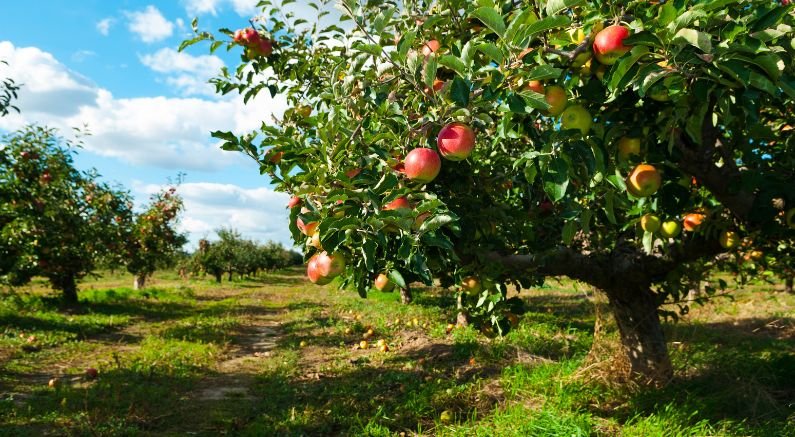
Dwarf apple trees have many advantages to standard sized apple trees.

First of all, dwarf apple trees are smaller. This means that they take up less room in a garden. The reduced size of a dwarf apple tree makes it easier to prune, spray and harvest fruit.

Additionally, dwarf apple trees will produce fruit earlier than standard apple trees, often only three years after being planted, as opposed to as many as ten years. There are generally two ways to create a dwarf apple tree. One way is to specially breed them smaller. This is very hard to do and may take hundreds of years. A faster, and much more common way is to graft the tree onto a rootstock that has been selected for its dwarfing characteristics.There are several different types of rootstock, and each works best with specific trees.

Dwarf apple trees often require much less care than full sized apple trees. The rootstock chosen for the dwarf apple tree will often be much hardier than the original root system of the tree. Also, the smaller stature of a dwarf apple tree will mean that less pruning needs to be done, and the tree will require less spraying.

Less tree to care for means less work to do. Just about every breed of apple tree can be dwarfed. The type of the dwarf apple tree depends on the variety grafted, while the size depends on the rootstock used. Some rootstock will dwarf apple trees more than others. It is important to select not only the breed of tree desired, but also the size. A dwarf apple tree will grow better in a home garden than will a full sized apple tree.

Learn about anchoring your true dwarf apple tree.

Previous Next

Frequently Asked Questions

Are there dwarf apple trees?

Yes, dwarf apple trees are widely available and offer significant advantages over standard-sized varieties. These compact trees are typically created by grafting desired apple varieties onto specialized dwarfing rootstocks, producing full-sized fruit on trees that reach only 6-10 feet tall compared to 25-30 feet for standard trees. Dwarf varieties begin producing fruit in just 3 years versus up to 10 years for full-sized trees, making them ideal for home gardens with limited space. Choose your rootstock carefully based on your desired mature tree size and local growing conditions.

Do dwarf apple trees produce small apples?

No, dwarf apple trees produce full-sized apples identical to their standard counterparts. The dwarfing occurs through specialized rootstock that controls tree size, not fruit size - the grafted variety determines apple characteristics while the rootstock only affects the tree's mature height and spread. A dwarf Honeycrisp will produce the same large, crisp apples as a standard Honeycrisp tree, just on a smaller, more manageable tree. Choose your dwarf apple variety based on the fruit qualities you want, not tree size.

Are dwarf fruit trees genetically modified?

No, dwarf fruit trees are not genetically modified. They are created through traditional grafting techniques, where the desired fruit variety is grafted onto a rootstock that has natural dwarfing characteristics. This centuries-old horticultural practice produces smaller trees without any genetic modification. Choose your dwarf apple tree based on both the variety you want and the rootstock size that fits your garden space.

Are grafted trees better?

Grafted dwarf apple trees offer significant advantages over standard trees, producing fruit in just 3 years compared to up to 10 years for ungrafted varieties. The dwarfing rootstock creates a hardier root system than the original while reducing overall tree size, making pruning, spraying, and harvesting much easier in home gardens. Most apple varieties can be successfully grafted onto dwarfing rootstock, with final tree size determined by your chosen rootstock type. Select both your desired apple variety and appropriate rootstock size based on your available garden space.

Can you grow a crabapple tree from a crabapple?

Yes, you can grow a crabapple tree from seeds found in crabapples, but the resulting tree may not produce fruit identical to the parent due to cross-pollination. Seeds require 90-120 days of cold stratification at 32-40°F before planting in spring. However, trees grown from seed typically take 5-8 years to produce fruit and may revert to less desirable characteristics. For predictable results and faster fruit production, purchase a grafted crabapple variety from a nursery instead.

Can you keep an apple tree small?

Yes, you can keep an apple tree small by choosing a dwarf variety that's been grafted onto dwarfing rootstock. Dwarf apple trees typically reach 6-10 feet tall compared to standard trees that grow 20-30 feet, and they're much easier to prune, spray, and harvest. The size depends on the specific rootstock used, with some creating more dramatic dwarfing effects than others. Select both your desired apple variety and the appropriate rootstock size for your space, and consider that true dwarf trees may need anchoring due to their shallow root systems.

Do I need more than one dwarf apple tree for pollination?

Most apple varieties, including dwarf types, require cross-pollination from a different apple cultivar to produce fruit effectively. While some varieties like Golden Delicious are partially self-fertile, you'll get significantly better fruit production with two different varieties that bloom at the same time. Space dwarf apple trees 6-10 feet apart depending on the rootstock, with semi-dwarf types needing 12-15 feet. Choose varieties with overlapping bloom periods and plant at least two different cultivars for optimal harvest.

When is the best time to plant a dwarf apple tree?

The best time to plant dwarf apple trees is during their dormant season, typically in early spring (March-April) or fall (October-November), depending on your hardiness zone. Spring planting works well in zones 3-6 where harsh winters could stress newly planted trees, while fall planting is ideal in zones 7-9 as it allows roots to establish before summer heat. Choose a location with full sun and well-draining soil, spacing trees 6-10 feet apart depending on the rootstock's mature size. Plant when soil temperatures are between 45-65°F for optimal root development.

How much space do dwarf apple trees need between plantings?

Dwarf apple trees typically need 6-8 feet between plantings, while semi-dwarf varieties require 12-15 feet of spacing. The exact distance depends on your rootstock selection, with more dwarfing rootstocks like M27 needing less space than M7 or M26. Consider your mature tree size and allow adequate room for air circulation to prevent disease. Check your specific variety's rootstock requirements and plan your orchard layout accordingly before planting.

What rootstocks are best for keeping dwarf apple trees truly small, like under 6 feet?

For truly dwarf apple trees under 6 feet, M27 rootstock is your best choice, keeping trees to 4-6 feet tall, though it requires staking and consistent watering. M9 rootstock produces slightly larger trees at 6-8 feet but offers better drought tolerance and stability. Both rootstocks work well in zones 4-8 and will produce fruit within 2-3 years. Choose M27 for container growing or very small spaces, and M9 for slightly more vigorous growth with easier maintenance.

Find Your Garden's Growing Zone!

Your Current Growing Zone:

Zone

ZIP Code:

✓ Growing Zone Set Successfully!

Your zone has been saved and will be used throughout the site.

⚠ Unable to locate a growing zone for that ZIP code.

Please check your ZIP code and try again.

Looking up your growing zone...

When ordering a tree or plant, make sure to know your planting zone.

You can determine your garden's USDA hardiness zone by entering your Zip Code below.