Free Shipping on Orders $199+

Growing Zone: | Garden in
Find your Growing Zone!

Creating A Patio Garden Is A Fun And Rewarding Project

Creating A Patio Garden Is A Fun And Rewarding Project - Nature Hills Nursery

Nature Hills Nursery |

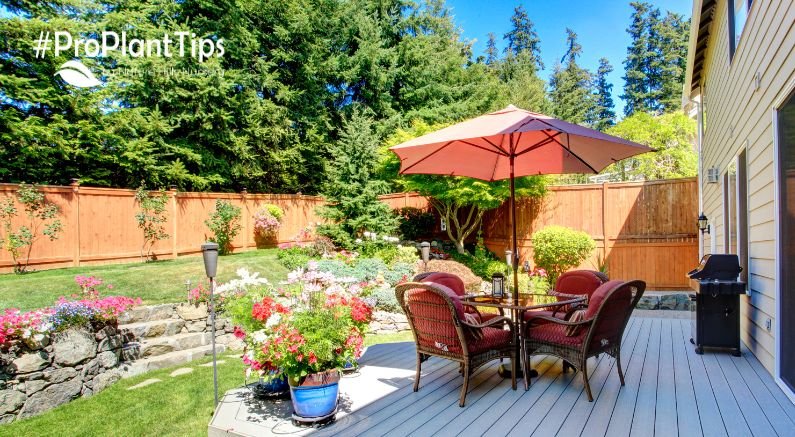
Creating a patio garden can transform your patio into a celebration of the senses with beauty, fragrance, texture and color. From unique dwarf trees like a Meyer Lemon, bushes in tree form, to colorful shrubs, seasonal perennials, even evergreens to create some privacy. You are only limited by your space & your imagination. Here are some top tips from our Nursery Manager at Nature Hills Nursery.

Utilize trees in pots.

Small trees in big pots are great for patios that lack much ground for planting. A Windmill Palm, Juniper or Arborvitae evergreen will help block unattractive views and even create more privacy. Many Tree Forms offer a unique & compelling display with color & fragrances. Knockout Rose Trees will bring you months of colorful blooms. The Lilac Tree Forms offer color and amazing fragrance.

Use plants to create 4 season interest.

Selecting plants for the warmer months in spring and summer is relatively easy but try to include some interest for fall & winter. Blue Prince Holly creates unique evergreen color all year. Other evergreens that are kept well shaped will stand out against dull winter days. Red Twigged Dogwoods & Burning Bushes create dazzling fall color & winter interest. A good planting plan can turn your patio or porch space into a natural & beatuful environment with color, fragrance, different heights and 4 season appeal.

Types of containers.

Many sizes, styles, and colors of planters are available for use on porches and patios. You can select them to match your decor preferences. Some specific varieties of planters are especially suited to use on patios. Hayneedle.comhas a comprehensive Gardening Center. They carry a wide selection of outdoor planters. Raised Beds are also very popular. They’re a lot easier to tend to and give you a wide array of options. From a simple arrangement of some perennials, to flowing ivy’s or other creeping plants. You are limited only by your imagination.

When shopping for a container, keep these 3 general guidelines in mind.

  • Make sure it is big enough for your plant(s) when they are fully grown.
  • The container should have adequate drainage.
  • Larger containers usually require less watering but the weight makes them more difficult to move
Previous Next

Frequently Asked Questions

How to start a patio garden?

To start a patio garden, begin by selecting appropriately sized containers for your space - large pots work best for small trees like Meyer Lemons or Windmill Palms, while smaller containers suit perennials and shrubs. Choose plants that provide four-season interest, such as evergreen Junipers for privacy, Knockout Rose trees for summer blooms, and Red Twigged Dogwoods for fall color and winter structure. Plan your layout considering different heights and textures, then visit naturehills.com to select plants suited to your hardiness zone and container requirements.

How often should I water container plants on a patio, and what's the best time of day?

Container plants on patios typically need daily watering during summer months, as pots dry out much faster than ground plantings due to increased exposure to sun and wind. Water early morning between 6-8 AM to allow plants to absorb moisture before heat stress occurs, or late evening after 6 PM to minimize evaporation loss. In zones 3-7, you may water every other day during cooler spring and fall periods, while zones 8-10 often require twice-daily watering during peak summer heat. Check soil moisture by inserting your finger 1-2 inches deep into the container - if it feels dry, it's time to water thoroughly until water drains from the bottom holes.

How to plant large containers?

Large containers require proper drainage holes and a quality potting mix rather than garden soil, which becomes too heavy and compacted. Fill containers to within 2-3 inches of the rim, plant at the same depth as the original root ball, and water thoroughly until it drains from the bottom. Choose containers at least 18-24 inches wide for small trees and large shrubs to provide adequate root space. Position your planted containers in their final location before watering, as large pots become extremely heavy once saturated.

What plants will grow well on a west-facing balcony with limited space?

For a west-facing balcony with intense afternoon sun, choose heat-tolerant plants in large containers to prevent root stress. Dwarf trees like Meyer Lemon or compact evergreens such as Juniper thrive in the western exposure, while Knockout Rose Trees and Red Twigged Dogwood provide seasonal color and can handle the intense heat. Container gardening works exceptionally well in limited spaces since you can arrange plants at different heights and move them as needed. Select containers at least 18-24 inches wide for trees and shrubs to ensure adequate root space and water retention.

What are the best planter options for a balcony garden including veggies like tomatoes and peppers?

For balcony vegetable gardens, choose containers at least 18-20 inches deep and wide for tomatoes, and 12-15 inches for peppers to accommodate their root systems. Large ceramic or resin planters work best as they retain moisture better than terracotta and won't blow over in wind. Raised bed planters are excellent options since they're easier to maintain and provide ample growing space for multiple plants. Select containers with drainage holes and consider wheeled planters so you can move heavy pots to follow the sun throughout the growing season.

What vegetables and herbs can I successfully grow on a second-floor balcony?

Most herbs thrive in balcony containers, including basil, rosemary, thyme, oregano, and parsley, which need just 6-8 hours of direct sunlight daily. For vegetables, choose compact varieties like cherry tomatoes, lettuce, spinach, radishes, and peppers in containers at least 12-18 inches deep. Wind exposure on upper floors can dry out plants quickly, so check soil moisture daily and consider windscreens for tender crops. Start with easy herbs like basil and oregano, then expand to vegetables once you understand your balcony's specific sun and wind conditions.

How do I choose plants for a raised bed at the back of a patio visible from the kitchen?

For a raised bed visible from your kitchen, create visual interest with layered plantings using taller shrubs like Blue Prince Holly or Red Twigged Dogwood in back, medium perennials in the middle, and trailing plants like ivy along the front edge. Choose plants that provide four-season appeal since you'll see this garden year-round through your kitchen window. Include fragrant options like Lilac Tree Forms or herbs that you can easily access for cooking. Plan your layout with the tallest plants 18-24 inches from the back edge to allow proper growth spacing.

What are good ideas for raised cylindrical planters (19-20 inches) on a patio or balcony?

For 19-20 inch raised cylindrical planters, consider dwarf evergreens like compact junipers or arborvitae for year-round structure and privacy screening. Tree-form shrubs such as Knockout Rose trees or Lilac tree forms work excellently in this size container, providing seasonal blooms and fragrance. You can also create layered plantings with a small centerpiece tree surrounded by seasonal perennials and trailing plants like ivy. Choose containers with adequate drainage and use quality potting mix designed for container gardening to ensure healthy root development.

How can I drain or siphon excess water from planter saucers in a patio garden?

For patio planters, use a turkey baster or small siphon pump to remove standing water from saucers within 30 minutes after watering or rainfall. Alternatively, drill small drainage holes in saucers and place them on plant caddies with wheels to catch overflow. In zones 7-10 where frequent summer watering occurs, check saucers daily during peak growing season. Empty saucers promptly to prevent root rot and mosquito breeding in your container garden.

What shrubs work well in containers on a balcony patio?

Several compact shrubs thrive in balcony containers, including Knockout Rose Trees for continuous blooms, Blue Prince Holly for year-round evergreen color, and Burning Bush for spectacular fall foliage. Dwarf evergreens like Juniper and Arborvitae work excellently for privacy screening while staying manageable in large containers. Choose containers at least 18-24 inches wide for proper root development and select varieties suited to your hardiness zone for best results.

Find Your Garden's Growing Zone!

Your Current Growing Zone:

Zone

ZIP Code:

✓ Growing Zone Set Successfully!

Your zone has been saved and will be used throughout the site.

⚠ Unable to locate a growing zone for that ZIP code.

Please check your ZIP code and try again.

Looking up your growing zone...

When ordering a tree or plant, make sure to know your planting zone.

You can determine your garden's USDA hardiness zone by entering your Zip Code below.