
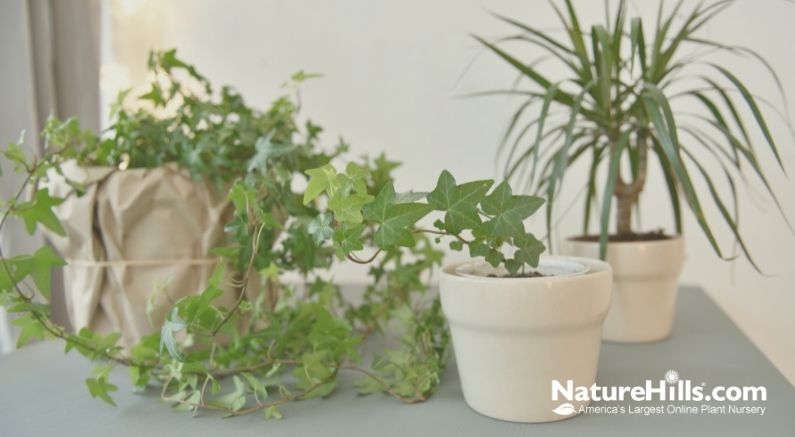
Throughout the dreary winter months, it’s often disheartening for gardeners when frost and snows arrive - so keep it going indoors!
The best part about introducing Houseplants into your home is the sheer variety of shapes, sizes, and colors available today! From variegated foliage, beautiful blooms, or intricate structure and texture, we know you'll find the perfect plant for your personality, style and home environment.
- Therapeutic & Air Cleaning
- Easiest Care Houseplants
- Moisture-Loving Houseplants
- Indoor Food
- Seasonal Décor
- Blooming Houseplants
- #ProPlantTips for Houseplant Care
- Indoor Watering & Humidity
- Indoor Sun Needs
Gardening with houseplants lets you create an indoor paradise, improve your space, complement any style, and receive Health Benefits for you and your family!
Plants Can Be Therapeutic
Studies show that indoor plants clean the air by removing toxins, increasing air humidity, and oxygenating stale indoor air.
- Reduce stress
- Boosting mood
- Increasing productivity
- Energize
- Dampen Sounds
- Increase Humidity
Transform your home into a green-leaved sanctuary where you can relax and grow with your plants! Create a Zen or Meditation corner and get some sunlight with your plants while you relax and meditate!
Easiest Care Houseplants

For Plant Parent newbies, there are plenty of low-maintenance selections available. Devil's Ivy or Pothos are great starter plants that quickly trail down your bookshelf.
The highly popular Snake plant boasts an impressive vertical habit and tolerates low light conditions. The easy-to-care-for Rubber Tree purifies the air and gives your living room some bold texture and high style!
For the forgetful waterer, slow-growing Succulents like Echeverias are hardy and drought-tolerant companions. These adaptable plants can even Grow Vertical!
Try an Aloe or a Spider Plant as a wonderful starter plant, or the curious Swiss Cheese Plant that can be a hanging plant, bush or climbing. You'll love the look!
Our #ProPlantPicks include:
- Tough-as-nails Cast Iron plant
- The serene Peace Lily
- The air-purifying ZZ plant
- The decorative Chinese Evergreen
Moisture Loving Houseplants

For high humidity varieties, try cute and stylish Terrariums and give your home a stylish showpiece.
There’s a variety of Ferns for indoors that higher humidity locations are perfect for! Tuck a Boston Fern in a hanging basket in a sunny window. Use Ferns as a groundcover around the base of a larger indoor tree! Bathrooms and sunny kitchen windows suit these lacy, airy plants fantastically!
Palm trees work well indoors if your humidity levels are higher, adding graceful finery to bright, indirectly lit locations.
Houseplants that Grow Food

Try an Improved Dwarf Meyer Lemon, Kaffir Lime, or Clementine Mandarin Orang, or for something more sweet-tart, a Kumquat like Nagami or Meiwa! These not only look delightful but also adorn themselves in dangling juicy gems!
If you have more room, the Frantoio Olive or an Avocado Tree fills your space with greenery! Even newer Banana Trees add a tropical flair to sunny sites without sacrificing space! If they get old enough or large enough, you’ll even see some fruit.
Keeping With the Seasons
Decorate for the Holidays with tabletop trees and seasonal offerings you can plant outside in spring! Ready to decorate, these small evergreens lend their resinous scent to your home.
Only have a sunny windowsill? You can grow herbs, sprout Peppers, force winter-blooming Bulbs, and other Indoor Grow Kits to help you stay connected to your garden in the dead of winter.
Something Blooming
While all plants eventually bloom, not all are the showiest and even fewer are fragrant.
Florist Azaleas are the smaller, floriferous cousins to the larger outdoor hedges. Perfect gift plants, they’re very easy to grow and care for and smother themselves in vibrant, frilly blossoms!
Bromeliad has bracts that remain colorful for long periods of time, while Anthurium holds their unusual blooms for weeks! Fragrant Tea Olives, Jasmine and Gardenia all bloom, while trickier to care for, add fragrant show white blossoms to the fresh greenery!
#ProPlantTips for Houseplant Care
Indoor care during winter and thriving year-round is no secret! The key is to replicate the plant's natural environment indoors. By giving the plant the light, humidity, and watering schedules it would receive in nature. House plants grow best in well-drained, enriched soil.
Houseplants typically grow slower and require less water during the winter months. Reduce fertilizing during the off-months and double-check the soil before giving them their routine watering.
These lower maintenance times of the year allow you to repot root-bound plants, amend the soil, and check health. It’s also a great time to wipe down their foliage! Using a soft cloth, spray with water or use a very mild, diluted soap solution to remove dirt and dust, plus bring back their luster.
Indoor Watering

It’s best to water houseplants with filtered or spring water. Tap water often has calcium and minerals that can accumulate. While not damaging for most plants, it can be unsightly.
Always check the soil before watering; touching the surface or poking your finger an inch or so below the surface tells you everything! For smaller plants, just lift the pot and see if it is light or heavy, you’ll know if it’s time to water.
Set up dribble trays and ensure your pots have good drainage to prevent water from sitting at the bottoms and causing root rot.
Trays beneath your pots filled with small rocks, decorative pebbles or other stones, can be kept filled with water to raise the ambient humidity around your plant’s immediate area.
Indoor Lighting Needs
Tropical house plants enjoy humid environments while Succulents and Citrus prefer dry and arid conditions. Choosing the right plant for your space starts by assessing the light conditions in your home. Unlike your outdoor plants, your houseplants want indirect light; too much direct light can scorch the foliage. South or east-facing windows are ideal for bright light to medium light houseplants.
Our #ProPlantPicks for the beginner include the fabulous Croton, arching Spider plant, charming Ponytail Palm, and the sculptural beauty of Jade plants.
For indoor gardeners with dirt under their nails and a sunny window, we recommend Bright Sun houseplants like a trendsetting Fiddle Leaf Fig or the breathtaking Prayer plant.
If light is hard to come by in your home and you don’t have a grow light system, we suggest our Low Light houseplants. Even if you have bright light, these houseplants can be grown a few feet away from your window or protected from direct light by a sheer curtain.
Don’t forget to pick up some houseplant potting soil and plant food to keep your plants happy!

Don’t Let Winter Get You Down!
Let Nature Hills Nursery bring your garden indoors and keep you connected to your plants - even when there is snow outside!
Contact our plant experts today for help finding the right plants for your garden - indoors or out!
