Free Shipping on Orders $199+

Growing Zone: | Garden in
Find your Growing Zone!

Aromatic & Useful Hyssop Plants at Nature Hills Nursery!

Aromatic & Useful Hyssop Plants at Nature Hills Nursery! - Nature Hills Nursery

Nature Hills Nursery |

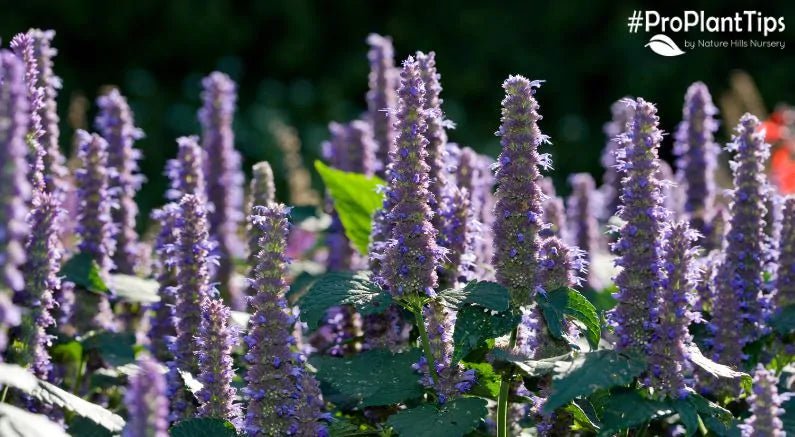
Hyssop plants (Agastache) are perennial and evergreen plants that are must-haves if you want butterflies and hummingbirds to stop by your landscape for a visit! It's easy to see why this plant is also called Hummingbird Mint!

Hyssop Graphic

Agastache originates from the Greek word 'aga' meaning 'very much' and 'stachys' meaning 'spikes', referring to the many flower spikes Hyssops produce! Members of the highly aromatic and medicinal Mint Family, these square-stemmed flowering plants are gorgeous ornamentals with a world of uses beyond the garden!

Featuring colorful tubular blooms and scented foliage, the Hyssop has a long history! From flavorful and medicinal Teas to culinary flavoring, to a cleansing wash mentioned in the Bible, the beautiful Hyssop plant is a tall garden ornamental that will brighten your garden beds from spring until autumn!

Hyssops

The scalloped and quilted heart-shaped leaves are strongly scented and a cross between mint and licorice with a similar flavor. New growth can appear purple-blushed and form showy and tall flowering stems rising above mounds! Hyssop not only looks terrific, but it's also a mainstay for beneficial pollinators and our precious native bee populations. Attract beneficial insects galore, and send migrating Monarchs on their way south with a good nectar resource.

Anise Hyssop (Agastache) is a native Mint family plant with many cultivars and hybrids! It is not the same as the similarly named Hyssop (Hyssopus) which is a member of the Carrot family and native to Europe.

Learn about the many varieties you can find at Nature Hills!

Spicy, Aromatic & Beneficial!

Hyssops easily add color to your late-season garden, mixed-perennial borders, and Cottage gardens, because Hyssop is typically still blooming long after many other plants have finished! Pretty rosy lavender POQUITO™ Lavender Hyssop will fill your garden with its incredible flowering display!

Hyssops Infographic

Don't forget to snip a few for your indoor bouquets! Kudos™ Coral Hyssop and Blue Boa Anise Hyssop will add unique beauty to vase arrangements when combined with Bee Balm, Sea Holly, and vivid Coneflowers! The blooms shine in the sun and pair beautifully with various Lavenders, Sages, and Salvias!

Use fragrant Hyssop like the dramatically deep dark purple Purple Haze Hyssop or the pretty pink and orange Kudos™ Ambrosia and Kudos™ Gold Hyssop in the Cutting Garden and Sensory Garden to take advantage of their floriferous flowering and aromatic nature!

Can't pick one color to add to your garden? Have them all with the Tango Hyssop and dance to all the colors of the sunset in one!

No Butterfly Garden would be complete without a Hyssop and the POQUITO™ Orange or Kudos™ Yellow Hyssop! Bring in jeweled Hummingbirds that are attracted to the tubular flowers and bright colors, especially the red flowers of Sinning Sonoran Sunset or the vibrant Kudos™ Red Hyssop!

If you have a sunny flowering border, you'll want to use these in the mid-ground for a big boost of color. Partner these wand-like flowers with other herbs for height and backdrops that look great all season. Grow the plants in-ground, or use them as 'Thrillers' and 'Fillers' in large, mixed containers! Try a dwarf Hyssop like Little Adder Anise Hyssop in a sunny porch planter or as a gift. Or have fun pairing both the sunny Arizona Sun or pastel yellow, pink and orange Arizona Sunset Hyssops together for a cheerful color combo!

Tolerant of drier soil and xeric locations once established, Hyssop can be highly drought-tolerant! This makes them perfect for the Rock Garden or in a front yard berm, Hyssops can be grown along walkways and paths to scent your journey as you stroll. Adding an important fragrance element to your landscape! Kudos™ Silver Blue Hyssop or Kudos™ Mandarin Hyssop will light up those harsh sunnier areas!

Include Hyssop in the Kitchen garden and Herb garden, Hyssop leaves have been used dried and steeped to make a delicious, refreshing tea - either hot or iced! Add the colorful edible flowers either fresh or dried to flavor fruit salad, pasta, and salad.

Medicinally, Anise Hyssop tea or essential oil has purifying benefits, and its chemical compounds display antibacterial and antifungal properties plus Hyssop can be used as a cough reliever, and expectorant. Try growing Blue Fortune or native Anise Hyssop for your medicinal herb garden.

Easy to Grow Hyssop!

Handling a wide range of USDA hardiness zones from 5 - 10, the native form of Hyssop is hardy down to Zone 4! The aromatic foliage is deer and rabbit-resistant!

Purple Hyssops

Give these easy-care Perennials a place in the sun with good air circulation. When you do water, add water to the root area keeping the foliage dry. Also, try to plant these garden gems where they can enjoy the drying powers of the morning sun to further help combat possible powdery mildew.

Plant in a well-drained soil location with regular moisture access for new plants. But once Hyssop has become established in your garden, it becomes a low water-usage plant and only needs supplemental watering during extended droughts. All plants appreciate a 3-4 inch deep layer of arborist mulch to regulate moisture loss and insulate the roots.

Deadhead often (or generously snip stems for bouquets!) to keep the blooms returning until frost. Because these plants can self-seed freely, deadheading also curbs their spread. Hyssop can also spread by underground rhizomes. In areas where this plant can be a nuisance, Nature Hills employs Plant Sentry™ to protect those ecosystems. Clean the mounds up and prune Hyssop back in the fall.

Heavenly Scented Hyssop!

Incredibly vivid blooms plus fragrance and long-lasting color - check out some Hyssop available on the NatureHills.com website!

Check out all the incredible Hyssops at Nature Hills for your pollinators, your kitchen, and your landscape! Enjoy the sight and smell of Hyssop and its many visitors to your garden today!

Happy Planting!

Shop Hyssops

Previous Next

Frequently Asked Questions

What is hyssop?

Hyssop (Agastache) is an aromatic perennial in the mint family that produces tall spikes of tubular flowers from spring through fall, attracting butterflies, hummingbirds, and beneficial pollinators. These square-stemmed plants feature heart-shaped, scented leaves with mint-licorice fragrance and are prized for their ornamental beauty, culinary uses, and wildlife value. The flowers bloom continuously into late season when many other perennials have finished, making them excellent for extending garden color. Plant hyssop in well-draining soil and full sun for best flowering performance and pollinator attraction.

What is hyssop in the bible?

Hyssop mentioned in the Bible refers to a cleansing plant used for purification rituals, though biblical scholars debate whether it was the same species we grow today. The hyssop plants (Agastache) available at Nature Hills are aromatic mint family perennials that thrive in zones 4-10 and have been used historically for medicinal teas and natural cleansing washes. These fragrant plants grow 2-4 feet tall with spiky flower clusters that bloom from summer through fall. Plant hyssop in well-draining soil and full sun for best aromatic properties and continuous blooms.

Is hyssop a perennial?

Yes, hyssop (Agastache) is a perennial plant that returns year after year, providing continuous blooms from spring through autumn. These hardy members of the mint family form attractive mounds of aromatic foliage with tall flower spikes that persist through multiple growing seasons. Plant hyssop in well-draining soil and full sun for best performance and longevity.

What does a hyssop plant look like?

Hyssop plants (Agastache) feature scalloped, heart-shaped leaves with a quilted texture and square stems characteristic of the mint family. The plants form attractive mounds topped with tall flowering spikes that display colorful tubular blooms in shades like rosy lavender. New growth often shows purple-blushed foliage, and the strongly scented leaves smell like a cross between mint and licorice. Plant hyssop in full sun with well-draining soil for the best flowering display and fragrance.

Where does hyssop grow?

Hyssop (Agastache) thrives in USDA hardiness zones 4-10, preferring full sun and well-draining soil conditions. These drought-tolerant perennials naturally grow in prairie and meadow environments across North America, making them excellent choices for xeriscaping and naturalized gardens. They perform best in average to poor soils and can struggle in overly rich, moist conditions. Plant hyssop in spring after the last frost date for your area, spacing them 12-18 inches apart to allow for proper air circulation.

How do I plant hyssop seeds from Nature Hills Nursery?

Plant hyssop seeds directly in the garden in spring after the last frost date, or start them indoors 6-8 weeks before transplanting. Sow seeds 1/4 inch deep in well-draining soil with full sun exposure, spacing them 12-18 inches apart. Hyssop thrives in USDA zones 3-9 and germinates best in soil temperatures between 65-70°F. Keep soil consistently moist but not waterlogged until seedlings emerge in 10-21 days, then water regularly during the first growing season to establish strong roots.

Where can i buy hyssop?

You can buy hyssop plants (Agastache) at Nature Hills Nursery, where we offer multiple varieties of these aromatic perennial plants that thrive in zones 4-10. Our selection includes cultivars like POQUITO™ Lavender Hyssop, which produces colorful tubular blooms from spring through autumn and attracts butterflies, hummingbirds, and beneficial pollinators. Browse our online catalog at naturehills.com to find the perfect hyssop variety for your garden and place your order for spring planting.

What does hyssop mean in the bible?

According to biblical references, hyssop was used as a cleansing wash and purification herb, mentioned in several passages including Psalm 51:7 where David asks to be "purged with hyssop." The biblical hyssop (Hyssopus officinalis) differs from the ornamental Anise Hyssop (Agastache) we commonly grow today, though both belong to the mint family and share aromatic properties. For traditional uses, plant Hyssopus officinalis in zones 4-9 in well-draining soil and full sun.

What does hyssop smell like?

Hyssop (Agastache) has a distinctive fragrance that combines mint and licorice scents, creating a spicy-sweet aroma from both its scalloped, heart-shaped leaves and colorful flower spikes. The strongly scented foliage releases its aromatic oils when brushed against or crushed, making it an excellent choice for sensory gardens or pathways where you'll frequently encounter the plant. Plant hyssop in zones 4-10 where you can easily reach the foliage to enjoy its delightful fragrance throughout the growing season.

What USDA hardiness zones are best for hyssop plants?

Hyssop plants thrive in USDA hardiness zones 3 through 9, making them adaptable to most regions across the United States. These hardy perennials can withstand winter temperatures as low as -40°F in zone 3 while tolerating the heat of zone 9. For best results, plant hyssop in spring after the last frost date when soil temperatures reach at least 60°F.

Find Your Garden's Growing Zone!

Your Current Growing Zone:

Zone

ZIP Code:

✓ Growing Zone Set Successfully!

Your zone has been saved and will be used throughout the site.

⚠ Unable to locate a growing zone for that ZIP code.

Please check your ZIP code and try again.

Looking up your growing zone...

When ordering a tree or plant, make sure to know your planting zone.

You can determine your garden's USDA hardiness zone by entering your Zip Code below.