Free Shipping on Orders $199+

Growing Zone: | Garden in
Find your Growing Zone!

Are Elderberries Safe To Eat, Or Are They Poisonous?

Are Elderberries Safe to Eat, Or Are They Poisonous? - Nature Hills Nursery

Charlotte Weidner |

Are Elderberries Safe To Eat, Or Are They Poisonous?

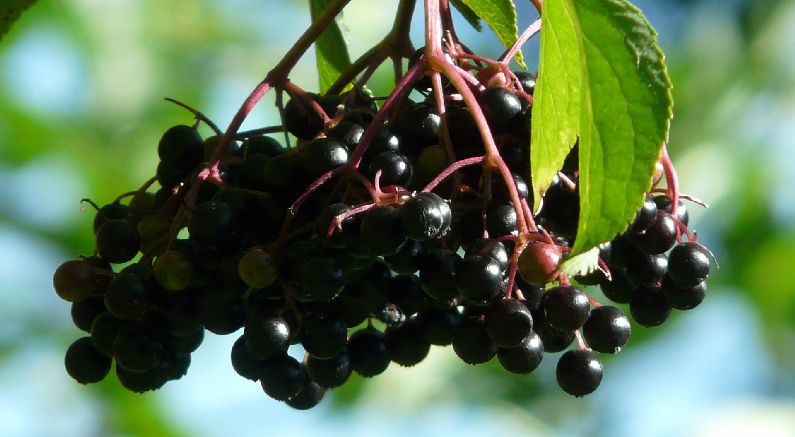
Elderberry plants (Sambucus) are gaining popularity among homeowners seeking native plants with edible berries that provide both ornamental beauty and health benefits. These versatile shrubs offer stunning flowers, necessary pollinator support, nutritious berries, and exceptional garden value!

elderberries - beneficial or poison?

Quick Facts About Elderberry Plants

  • Scientific name: Sambucus
  • Hardiness zones: 3-9
  • Mature size: 6-12 feet tall and wide
  • Bloom time: Early summer
  • Harvest time: Late summer to fall
  • Best uses: Syrup, wine, jams, ornamental hedge

Are Elderberries Safe To Eat? Separating Fact From Fiction

The Truth About Elderberry Toxicity

Many gardeners wonder: Are Elderberries poisonous? Here's what you need to know:

Parts to avoid:

  • Leaves, stems, and roots contain compounds that metabolize into cyanide
  • Raw Elderberry seeds can cause cyanide buildup if consumed in large quantities

Safe parts to consume:

  • Cooked Elderberries are completely safe and nutritious
  • Elderflower blossoms are edible and prized in European cuisine
  • Heat destroys the glycosides that produce cyanide

Note: Many common fruits, like Apples and Peaches, have similar compounds in their seeds and pits.

Elderberry Health Benefits: Why They're Called A Superfruit

Nutritional Powerhouse
benefits of elderberries!

Elderberries are packed with:

  • Vitamin C: More than Oranges
  • Vitamins A and B complex
  • Anthocyanins: Powerful antioxidant flavonoids
  • Anti-inflammatory compounds

Traditional and Modern Uses

  • Elderberry syrup for immune support
  • Cold and flu symptom relief
  • Natural antioxidant supplementation
  • Available as extracts and dried supplements at health food stores

How To Safely Prepare and Cook Elderberries

Essential Cooking Methods

Always cook Elderberries before eating. Cooking completely destroys harmful glycosides, making the berries safe and delicious.

Popular Elderberry recipes:

  • Elderberry syrup - Classic immune-boosting preparation
  • Elderberry jam and preserves
  • Elderberry pie filling
  • Elderberry wine - Traditional fermented beverage

Pro tip: Add sugar or natural sweeteners to balance the tart flavor.

Elderflower Uses: Don't Miss These Edible Flowers!

Giant Ornamental Edible Blooms
benefits of elderflowers

Elderberry plants produce spectacular flat-topped flower clusters that can reach 12 inches across! These creamy white blooms are:

  • Highly attractive to pollinators
  • Visible from great distances
  • Heavy enough to create weeping branch tips
  • Perfect for natural privacy hedges
  • Larger varieties can be 'limbed up' to create tree-form specimens

Culinary Applications For Elderflowers

  • Elderflower syrup for cocktails and beverages
  • Tea flavoring
  • Ice cream topping
  • Fried Elderflower fritters with powdered sugar

Why Choose Elderberry for Your Garden

Elderberry plants offer the perfect combination of edible benefits, ornamental value, and low maintenance. Whether you're interested in making traditional Elderberry syrup, creating natural privacy screens, or supporting local wildlife, these native plants deliver exceptional garden value.

Top Elderberries at Nature Hills:

  • Ranch Elderberry (Sambucus canadensis 'Ranch'): Compact plant with consistent yields of sweet, medium-sized berries ideal for small-batch preserves.
  • York Elderberry (Sambucus canadensis 'York'): Extra-large fruit clusters with high juice content and a mild, sweet-tart taste.
  • American Elderberry (Sambucus canadensis): Large, sweet, dark purple berries with classic elderberry flavor, perfect for rich jams and syrups. Large-sized shrub or small tree.

Elderberries: Safe, Savory, and Simply Wonderful

When handled properly, Elderberries are not only safe to eat but also one of the most versatile fruits you can grow. From soothing teas and immune-boosting syrups to flavorful wines, jams, and jellies, these little berries pack a powerful punch of nutrition and tradition. Add in their role as natural dye-makers and their time-honored place in herbal medicine, and it's easy to see why Elderberries have been cherished for generations.

With just a little care in preparation, you can enjoy all the gifts these remarkable berries have to offer. Elderberries bring beauty to the garden, nourishment to the kitchen, and creativity to the craft table, truly a shrub that gives in every season.

Happy Planting!

Shop Elderberries
Previous Next

Compare Plants

Browse the features and specs side-by-side to find the best fit for your garden.

A table comparing the facets of 2 products
Facet
York Elderberry
York Elderberry
View details
American Elderberry
American Elderberry
View details
Rating
Rating--
Type
TypeShrubShrub
By
ByNature Hills NurseryNature Hills Nursery
Flower Color
Flower Color
  • White
  • White
Growing Zone Range
Growing Zone Range
3-9
3-9
Mature Height
Mature Height
10-12 ft
8-12 ft
Width
Width
8-12 ft
8-12 ft
Price
Price
Regular price $8278
Regular price From $2480

Frequently Asked Questions

Are elderberries poisonous?

Elderberries are not poisonous when properly prepared, though raw berries and all plant parts (leaves, stems, bark, roots) contain compounds that can produce cyanide if consumed in large quantities. The ripe, cooked berries are completely safe and highly nutritious, packed with more vitamin C than oranges plus powerful antioxidants. Heat breaks down the problematic glycosides, making cooked elderberries perfect for syrups, jams, and wines. Always cook elderberries before eating and avoid consuming any other parts of the plant.

Can you eat elderberries?

Yes, you can safely eat elderberries when they are properly cooked, as heat destroys the natural compounds that can cause digestive issues. The ripe berries from Sambucus plants (zones 3-9) are ready for harvest in late summer to fall and make excellent syrups, jams, and wines. Avoid eating raw elderberries, leaves, stems, or roots, which contain compounds that metabolize into cyanide. Always cook elderberries thoroughly before consumption to enjoy their exceptional vitamin C content and antioxidant benefits safely.

What is the best time of year to plant elderberries?

The best time to plant elderberries is in early spring after the last frost date or in fall 6-8 weeks before your first expected hard freeze. In zones 3-9, spring planting (March through May depending on location) allows plants to establish strong root systems before summer heat stress. Fall planting works well in zones 5-9 as cooler temperatures and autumn rains reduce transplant shock. Plant when soil is workable but not waterlogged, and space elderberries 6-10 feet apart for proper air circulation.

Are elderberries edible?

Yes, elderberries are edible and nutritious when properly prepared. Raw elderberries and other plant parts (leaves, stems, roots) contain compounds that can produce cyanide, but cooking completely eliminates these concerns. The ripe berries are packed with vitamin C, antioxidants, and immune-supporting compounds, making them excellent for syrups, jams, and wines. Always cook elderberries before consumption and harvest only the dark purple, fully ripe berries in late summer to fall.

How far apart should elderberry plants be spaced?

Space elderberry plants 6-8 feet apart in all directions to allow for their mature spread and proper air circulation. American elderberries (Sambucus canadensis) can reach 8-12 feet wide at maturity in zones 3-9, while European elderberries tend to be slightly more compact. Proper spacing prevents overcrowding, reduces disease pressure, and makes harvesting easier. Plant them in early spring after the last frost date for best establishment.

Can you eat elderberry raw?

Raw elderberries are not recommended for consumption as they contain compounds that can metabolize into cyanide, particularly in the seeds. While small amounts may not cause serious harm, consuming raw elderberries in larger quantities can lead to digestive upset and cyanide buildup. The heat from cooking destroys these harmful glycosides, making cooked elderberries completely safe and nutritious. Always cook elderberries thoroughly before eating, whether you're making syrup, jam, or wine.

Are dried elderberries safe to eat?

A: Yes, dried elderberries are safe to eat and are commonly used in supplements, teas, and baking. The drying process eliminates concerns about the compounds found in raw elderberries that can cause digestive upset. Dried elderberries retain their high vitamin C content and beneficial anthocyanins, making them a popular choice for homemade elderberry syrup and immune-supporting remedies. Use dried elderberries in cooked preparations like syrups, jams, or baked goods for best results and flavor.

What soil pH do elderberries need to grow safely and healthily?

Elderberries thrive in slightly acidic to neutral soil with a pH range of 5.5 to 6.5, though they can tolerate pH levels up to 7.5. These adaptable shrubs prefer well-draining, fertile soil but can handle various soil conditions once established in zones 3-9. Test your soil pH using a digital meter or soil test kit before planting, and amend heavy clay or sandy soils with compost to improve drainage and nutrient content.

Can elderberries grow in shade, or do they require full sun?

Elderberries perform best in full sun (6+ hours daily) but tolerate partial shade, though fruit production decreases significantly in shadier locations. In zones 3-9, plants grown in full sun produce the heaviest berry clusters for maximum harvest yields. Partial shade locations with 4-6 hours of morning sun can work but expect 30-50% less fruit production. For optimal berry harvests, plant elderberries in the sunniest available spot in your landscape.

Are elderberries toxic?

Elderberries (Sambucus) are safe to eat when properly prepared, though raw berries and all plant parts except flowers contain compounds that can produce cyanide if consumed in large quantities. The leaves, stems, roots, and raw seeds should be avoided, but cooked elderberries are completely safe and nutritious. Heat destroys the problematic glycosides, making prepared elderberries a superfruit rich in vitamin C and antioxidants. Always cook elderberries before consumption and stick to using only the ripe, cooked berries and fresh flowers.

Find Your Garden's Growing Zone!

Your Current Growing Zone:

Zone

ZIP Code:

✓ Growing Zone Set Successfully!

Your zone has been saved and will be used throughout the site.

⚠ Unable to locate a growing zone for that ZIP code.

Please check your ZIP code and try again.

Looking up your growing zone...

When ordering a tree or plant, make sure to know your planting zone.

You can determine your garden's USDA hardiness zone by entering your Zip Code below.