
Great green fields of prosperity, the American lawn has somehow become the established symbol for suburban standards and synonymous with the American dream, the American flag and white picket fences.
However, as my college professor called it, large swaths of a single species are 'a totalitarian dictatorship monoculture'. So just maybe, lawns of grass are not as 'green' as their verdant hue may imply.
Not-So-Great Fields of Green?

Lawns are painstakingly expensive and labor-intensive, they aren't good for the environment if you use a lot of fertilizer, water and pesticides, not to mention the fumes and spilled gasoline while refilling the mower (millions of gallons a year!) and other lawn equipment, just to keep the ever-growing grass tidy. They need constant maintenance, worry and money to keep up with the grubs and to keep them green.
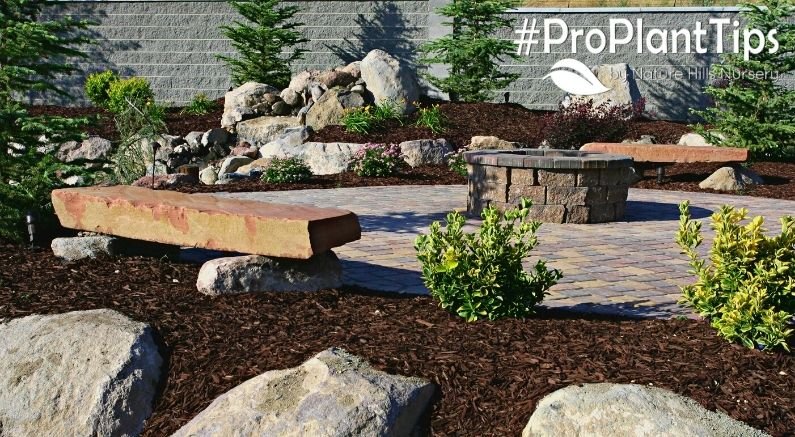
Gallons of water are needed to maintain the lawn, water that can be better used elsewhere, especially in fire and drought-prone regions. While fire and drought-prone areas have taken to using beds of rocks or mulch instead of grass, or even painting their dead lawns green or installing artificial turf, after repeated heat waves and lack of rain just because it's too difficult to try to keep up.

Plus grasses are wind-pollinated, eliminating the middleman and don’t feed the bees and pollinators, leaving them starved as they search for nectar and pollen sources elsewhere. The chemicals to keep lawns green also have negative effects on these insects.
The trend is to find alternatives that are more environmentally friendly, just as green, and better for us, for the environment and better for beneficial insects. Not to mention a more ecologically symbiotic relationship with our native world and healthier!
Mix-Ins
Alternatives to getting rid of the entire lawn all at once are to create garden beds, borders and edging along the perimeter of your landscape, plant shrubs in every corner where it's tricky to mow, and install planting beds or raised berms with trees and blooms skirting them. This reduces the amount of grass to care for and fuss with.

Planting small spring ephemeral bulbs or low-growing wildflowers throughout your lawn to add extra color to your yard. Though most turf can be highly competitive and choke out more dainty blossoms.
Mixing some varieties of Clover that stay short, plus they flower which attracts pollinators, have roots that fix nitrogen, and they’re low-growing so they need no mowing and don't require water and fertilizer like Bluegrass varieties will.
Perhaps you want to go for the gusto and ditch the lawn entirely? Here are some of the best alternatives to the sea of fickle green that are also amazingly low-maintenance! Here are other options that save water, save work and keep your curb appeal high!
Top 5 Great Turf Grass Alternatives
What can you use instead of ground cover for grass? While there are many options, what are the best low-maintenance ground cover alternatives?
5. Native Cultivars and Buffalo Grasses

Water and fertilizer hungry Fescues and Bluegrass are no match for the low-growing and low-water usage Buffalo Grasses and hardy Native Prairie Grass varieties are great alternatives to the typical lawn.
Buffalo Grass won’t even grow tall enough to need mowing in most cases! The average height of Legacy Buffalo Grass is no more than 3-5 inches tall, and Buffalo Grass uses 75% less water than the average lawn. Gramma grasses like Side Oats, Blue and other natives in this family are hardy and tough plants that, while may not be the greenest all year, are perfect for drought-prone regions and arid regions. These are native prairie grasses that are up to the challenge.

Each corner and edge, side, and hilly area of your property can also be landscaped with taller Ornamental grasses. Short Fescues look like Bluegrass but need less mowing and are much more drought tolerant. Short grass Prairies are popular for large open areas. Also enlarging planting areas by using arborist's wood chips as mulch over the root zones of plants and eliminating shaded areas of poor stands of bluegrass which need the sun to grow.
If you have a notoriously wet or soggy lawn, then Sedges and Rush grasses can be used. These will soak up the moisture and stay green too!
Plant banks and en masse swaths of easy-care, drought-tolerant grasses as formally spaced or naturalized as you’d like! Mix in a few wildflower seeds and you’ll have a pretty patch of wilderness for birds, and beneficial insects plus it is fuss-free.
4. Moss

Do you have compacted or very rocky soil and higher rainfall, plus highly acidic pH? Moss might be a great option! Creating naturally thick carpets of green, Moss can grow almost anywhere! The fussy northeastern side of your home, over that rocky slope, or down a narrow path under trees.
Lush and tolerant of light foot traffic, these verdant carpets are a bit slow-growing creepers but always green and a host for loads of biodiversity. Moss doesn't need mowing, fertilizer, or lots of fussing. Plus Moss requires less sun and can tolerate shade! What they do need is consistent moisture.
There are many ways to encourage moss to grow around your property, but one good one is to find some moss, and whiz it up with some water and buttermilk in an old blender until you have a smoothie consistency, and pour it around where you’d want it to grow. Keep the newly seeded mosses moderately and consistently moist and watch as it spreads!
3. Small Perennials
Small spreading or low-growing perennials with grassy foliage are great alternatives for using as grassy alternatives to lawns!
- Sea Thrifts
- Liriope
- Dianthus
- Wild or Edible Strawberries

Other great perennials that are often used among your lawn grass and in place of grasses en masse as a facer before hedges and around shrubs, where grass often has trouble growing in their shade. Or as groupings and in rows along out of the way areas of your yard you don’t want to fuss over.
While you can interplant Squills and Muscari among the grassy blades to add some diversity and color in the spring, allowing the Clover, Creeping Charlie and Dandelions to flower significantly helps out the beneficial pollinators in the spring. After all, a nice green lawn is a barren desert to a bee.
Some varieties of Clover stay short, have flowers that attract pollinators, fix nitrogen, need no mowing and don't require water and fertilizer like Bluegrass varieties will. And who said that Creeping Charlie would not make a great, flowering and carefree groundcover replacement for turfgrasses? All of these ‘weeds’ grow without much care or fuss!
You can try low-growing wildflowers like Common Goldstar, Bluets, and Woodland Phlox to seed or interplant throughout your lawn for some pops and patches of color too. Once the blooms are done, you can simply mow.
Another perfect area for some of these plants is that hell-strip along the roadside or a sidewalk that gets the brunt of the worst conditions. Difficult areas to mow like around steep steps or near a slope in your yard make these creeping, spreading plants perfect for creating a garden bed that won't need much maintenance.
- Chamomile
- Sweet Woodruff
- Hardy Geranium (Cranesbill)
- Creeping Sedums

Bumpy rough and uneven surfaces are other perfect locations for topping with some topsoil and planting a lawn alternative that blooms and doesn’t need a mower scalping the bumps and ridges!
Another location for these plants is around a tree that tends to consistently get weed wacker damaged or scraped by a mower, acting as a buffer between your lawn and the tender bark. Plant rings of plants around shrubs so you don't accidentally cut or mow over their lower limbs and save you the effort of having to mow under wide, sharp branches!
2. Low Growing Shrubs
Add some low-growing hedges and plants that can be formally pruned or let roam to fill areas that are either hard to mow or just need some sprucing up with something a bit more stellar than grass.
- Blue Rug Juniper
- Groundhog Aronia
- Groundcover Roses
- Evergreen Euonymus
- Mini Arcade Juniper
- Wisconsin Juniper
- Autumn Amber or Gro-Low Sumacs

1. Groundcover Perennials
The number one alternative is allowing perennial Vines to ramble over the ground or low-growing ground covers to take over for easy care, spreading greenery! All because they are vines doesn't mean they need to climb on something. Let them sprawl and creep over the ground instead!
- Creeping Sedum
- Vinca and Periwinkle
- Climbing Hydrangea
- Chocolate Chip Ajuga
- English Ivy, Sumac
- Creeping Jenny
- Japanese Spurge (Pachysandra)
- Creeping Thyme

Jump In!
You don't have to start ripping out the entire lawn right now, you can start by extending a garden bed, adding a border garden, or just turning that dead spot into a raised berm! Create a path of decorative stone, pavers and creeping groundcover where that footpath constantly gets worn into the grass anyway!

Go ahead and put in a pond in that soggy sinking area or a rain garden where the gutters drain. Maybe just extend the mulch line out from a tree or garden bed for a clean look and less lawn to mow.
By slowly eliminating turf, you'll save yourself time and money in the long run and boost your local ecosystem big time! You’ll also reduce your carbon footprint and water bill, and lower any chemical exposure for yourself and what ends up in the groundwater from runoff.
You don't necessarily need to let 'weeds' take over your entire lawn, maybe keep the lawn in the front yard to please the neighbors, but let your back yard grow in a more environmentally friendly manner!
It’s a win-win!

Choose native varieties that work with your local climate and weather, instead of needing to be protected from it, for an added boost!
Don’t feel bad keeping that patch of grass for your lawn chairs and fire pit, or for the badminton net, there are certainly benefits to running barefoot on your lawn that can't quite be achieved by perennials. Though scented herbs like Thyme are wonderfully fragrant to walk through occasionally.
Other options to consider as you begin your journey to becoming lawn-less are, mowing less frequently, using natural fertilizers and organic pest management. Remember to leave the leaves and use them as a natural mulch and a habitat for creatures wintering over.
Head over to Nature Hills Nursery for many of the alternatives to a lawn while still keeping up with the Johnsons, without the ecological impact turfgrass upkeep and maintenance can have on you, your environment and your health!
Happy Planting!
