Buy Now, Plant Later! Spring Reservations Are Open

Free Shipping On Orders Over $199

Reserve Your Spring Garden Now

Growing Zone: | Garden in
Find your Growing Zone!

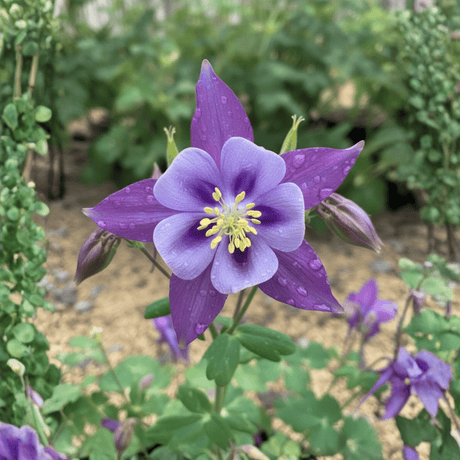
Winky Blue & White Columbine

Aquilegia vulgaris 'Winky Blue-White'

  • Reliably hardy and easy to grow in USDA hardiness zones 3 through 8.
  • Features unique upward-facing, bicolor dark blue-purple and white blooms for better garden visibility.
  • Compact, bushy habit stays under 14 inches tall, making it a premier choice for patio containers and small borders.
  • Strongly resistant to deer, rabbits, and powdery mildew while attracting hummingbirds for up to 6 weeks.

Regular price $3040
Shipping calculated at checkout.
In Stock

Unfortunately, this item cannot be shipped to your state.

Shipping to a different address?

Shipping to your area may be delayed due to weather conditions.

Shipping to a different address?

Enter your ZIP code to check shipping availability.

Find your Growing Zone
Plant Size

Plant Sentry™

Plant Sentry Protected

Plant Sentry™ Protected

Your order is protected by our compliance system that:

  • Prevents restricted plants from shipping to your state
  • Ensures plants meet your state's agricultural requirements
  • Protects gardens from invasive pests and diseases

Learn more about Plant Sentry™

Delivery and Shipping

Delivery and Shipping

Fast, Safe Plant Delivery
Ships in 3-4 business days • Tracking provided • Weather protected

Under $50 $9.99
$50 - $99.99 $14.99
$100 - $149.99 $16.99
$150 - $198.99 $24.99
$199+ FREE

✓ Zone-specific timing • ✓ Professional packaging • ✓ Health guarantee

Plant Profile & Growing Essentials

Attracts pollinators and Disease resistant

Specifications

  • Botanical Name
    Aquilegia vulgaris 'Winky Blue-White'
  • Height
    1-2 Feet
  • Width
    1-2 Feet
  • Growing Zones
    3-8
  • Sunlight
    • Full sun
    • Partial shade
  • Growth Rate
    Moderate
  • Flower Color
    • Blue
    • White
  • Leaf Color
    • Green
  • Pollinator Friendly
    Yes
  • Bloom Period
    Late Spring, Early Summer
  • Does Not Ship To
    AK, HI, ID, MT

Planting & Care

Where to Plant

  • Sunlight: Aim for four to six hours of light daily. While it handles full sun in northern states, providing afternoon shade in warmer climates is crucial to prevent the delicate foliage from scorching in the heat.
  • Soil: This perennial craves rich, loamy soil that drains efficiently. If your garden has heavy clay, mix in plenty of organic compost or aged manure to improve drainage and prevent "wet feet," which can cause the crown to rot.

Watering Requirements

Keep the soil consistently moist from the time you plant until the flowers finish blooming in early summer. If the soil is allowed to dry out completely, the plant may enter an early dormancy period and lose its leaves for the season. Mature plants are slightly more resilient but will produce fewer blooms and smaller foliage if they are not watered regularly during dry spells.

Pruning Tips

Think of pruning this plant as a quick summer haircut to keep it looking fresh. Remove the spent flower stalks at the base once the blooming cycle ends to maintain a tidy, compact mound. If the foliage begins to look yellow or tattered during the peak of summer heat, you can cut the entire plant back to the ground to encourage a brand new flush of healthy green leaves.

Fertilizer Needs

Apply a balanced, slow release fertilizer in the early spring just as you see the first green bits emerging from the soil. This provides the necessary fuel for the plant to produce its signature upward facing blooms. Avoid using high nitrogen fertilizers in the late summer or fall because this forces the plant to produce tender new growth that will easily be damaged by the first winter freeze.

A Spring Masterpiece

As late spring arrives, this "Winky Series" standout transforms into a living bouquet. For four to six weeks, the sturdy, upright stems hold clusters of blooms high above a mound of delicate, fern-like green foliage. The movement of the flowers in a light breeze adds a playful, airy texture to the landscape. Because the blooms face the sun rather than the soil, you get a full view of the intricate geometry that has made the Columbine (also known as Granny's Bonnet) a cottage garden staple for centuries.

Versatile Landscape Uses

The compact and mounding habit of 'Winky Blue-White' makes it incredibly versatile. Reaching just 12-14 inches in height and width, it is a perfect candidate for "thriller" status in decorative patio containers. In the ground, use it to line woodland pathways, tuck it into rock gardens, or mass it at the front of a perennial border. It pairs exquisitely with the bold leaves of Hostas or the silvery fronds of Japanese Painted Ferns.

Pollinator Friendly and Resilience

While the nectar-rich spurs are a magnet for hummingbirds, bees, and butterflies, this perennial is remarkably tough against garden pests. It is naturally resistant to both deer and rabbits, who typically bypass its foliage. Furthermore, the Winky Series was specifically bred for improved resistance to powdery mildew, ensuring your plants stay looking fresh and vibrant even when the humidity rises. Though individual plants are often short-lived, they will happily self-seed in favorable conditions, allowing your collection to naturalize and thrive for years to come.

Frequently Asked Questions

Does Winky Blue & White Columbine need full sun?

  • While it can grow in full sun in cooler northern zones, it truly thrives in partial shade. In the afternoon heat of the south, shade is essential to keep the foliage from scorching.

How long do the flowers last?

  • You can expect a profuse bloom period lasting approximately 4 to 6 weeks from late spring through early summer. As a cut flower, they can last up to two weeks in a vase.

Is this plant invasive?

  • No, Aquilegia vulgaris is not considered invasive. While it will self-seed and "hop" around the garden, the seedlings are easy to manage or relocate.

Will deer eat my Columbine?

  • Columbine is widely considered deer and rabbit resistant. Most grazers find the foliage unappealing, making it a safe choice for open garden borders.

When should I cut the plant back?

  • You should remove the flower stalks once the blooms fade to keep the plant tidy. If the foliage looks tattered in the summer heat, you can cut the entire plant down to the base to promote new, healthy leaves.

Find Your Garden's Growing Zone!

Your Current Growing Zone:

Zone

ZIP Code:

✓ Growing Zone Set Successfully!

Your zone has been saved and will be used throughout the site.

⚠ Unable to locate a growing zone for that ZIP code.

Please check your ZIP code and try again.

Looking up your growing zone...

When ordering a tree or plant, make sure to know your planting zone.

You can determine your garden's USDA hardiness zone by entering your Zip Code below.