Shop With Confidence: FREE Growing & Glowing Promise

Free Shipping on Orders $199+

Cutting & Drying Hydrangea Flowers

Cutting & Drying Hydrangea Flowers - Nature Hills Nursery

Charlotte Weidner |

Got Hydrangeas? You need to learn how to preserve those gorgeous blooms to bring indoors for years of enjoyment and crafts, or for outdoor décor! The big blooms of these deciduous shrubs, especially the flouncy mophead varieties!

Crafts, fresh and dried bouquets, wreaths, and indoor/outdoor décor galore, the Hydrangea is an absolutely gorgeous bloom that lights up fresh and dried arrangements, enhances interiors, and melds with all kinds of styles!

When To Harvest Hydrangeas

pink hydrangea

For the most colorful, fluffy, and romantic-looking dried Hydrangeas, harvest your blooms in late summer or early fall when they are at peak color - but before a frost. Or let these blooms dry naturally on the shrub until they are a lovely botanical tan or sun-bleached bone color. Depending on your climate and the type of Hydrangea you have, you can enjoy a wide range of colors. Bigleaf and Panicle Hydrangeas work the best.

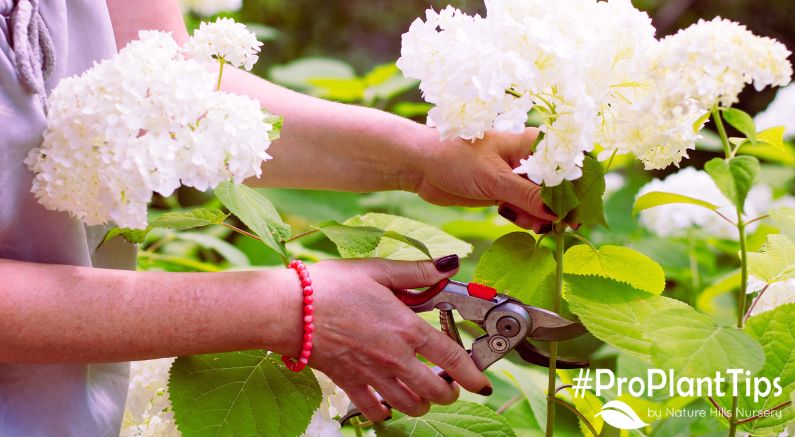
Cut the stems a few leaf nodes down depending on how long a stem you need for your project. Timing is very important so you don’t end up with wilted blooms. Freshly opened or young blooms have too much moisture content and will not do well being dried, so wait until the blooms are older and therefore hold up better. After a bit of trial and error, you’ll find out when the best time to harvest your Hydrangeas based on your climate and weather conditions.

Choose a day after fine weather, when there hasn’t been any rain recently, and let the blooms dry off the morning dew before harvesting. This protects against developing mold and mildew during the drying process.

Give your flowers a firm shake to evict any insects still hiding in the blooms and remove all of the leaves. Immediately get the fresh cut stems into a bucket of water because Hydrangeas wilt fast!

Drying Colorful Blooms With Desiccant

For these fresher blooms, you need to dry them fast in a silica gel or borax-style desiccant. Make sure every nook and cranny between each floret is immersed in the product. You may need to have a deep jar or plastic container to accommodate the stem as well. Use chopsticks or a slender spoon to poke and prod the product gently into all the areas while keeping the petals from becoming crumpled. Dry according to the product's package directions. After the allotted time, gently shake the product free and display your blooms!

Vase Dried

Blue Hydrangea in a vase

While it seems counterproductive to dry flowers while they are in water, you enjoy a deeper and longer-lasting color. Enjoy your blooms while they are fresh and dry them at the same time! Place fresh trimmed blooms, free of all leaves, in a clean vase of clean water that covers several inches of stem. Many find either gently mashing the bottom couple of inches of stem - or - cutting the stem into quarters lengthwise a couple of inches up from the bottom, helps with water intake.

Bunch the stems loosely so they have proper air circulation to help with the drying process. This method preserves a lot of colors. Clean the water daily and give the stems a fresh 45° angled snip each day too so they continue to take up water.

Optional: You can tint the water with food coloring to slightly alter the color of the blooms.

Air-Dried Hydrangeas

After snipping your blooms in the late summer or fall, removing stems, hang them in a well-ventilated area upside down. The largest blooms need to be hung individually, while smaller blooms need to be loosely arranged so they have good air circulation. Stagger the stems so they are hanging at different lengths and not pressed against each other. Your blooms are ready to use when they are stiff and snap easily.

Shrub Dried Blooms

Cutting Hydrangeas

Can’t bear to remove a single bloom from your shrub all summer and fall? Leave them on for fall and winter interest and let the blooms dry on their own. It will eventually be time to prune your shrub, and then you can scoop up the armloads of blooms. Creating a very vintage and antique look, the open air creates a lovely array of subtle hues and tans. Snip the stems at an angle and remove the lower leaves. Harvest on a day when it hasn’t rained and the blooms are dried off any morning dew to prevent mold and mildew.

Glycerine Preserved

Just like preserving freshly colored fall leaves, you can soak your Hydrangea blooms in glycerine to preserve them and their color wonderfully! You can find glycerine in most drug stores and craft stores. Glycerine-preserved Hydrangeas are not as dry and crispy as air or vase dried. But still need protection from drafts, the sun, and being bumped into.

Once matured and somewhat older on the shrub, snip as above and remove most of the leaves. Remove any hitchhikers and plunge the fresh cut ends into a bucket of water so they don’t wilt. Choose stems between 1-2 feet long and split or pound the cut ends until they are frayed but not mush. This helps open the stem for better absorption of glycerine.

  • Mix the glycerine with 2 parts water and stir well
  • You need enough to fill a vase a third of the way up the stem of your flower
  • Give the stems a fresh cut or gentle mashing and arrange in a vase with the glycerine
  • Arrange so they have good air circulation and no bloom is crowded
  • Watch your water/glycerine level daily and top off as needed
  • Let absorb for a week to a month depending on the size of your stems/blooms

Optional: You can tint the water/glycerine with some food coloring to alter the color of the blooms.

Protecting Your Dried Blooms

While there is not much you can do to protect dried Hydrangea blooms from the elements when you’ve added them to outdoor containers or a wreath hanging on your home, indoors is another story. Once dry completely, you are good to go. Optionally, you can spray the blooms with a couple of coats of dried flower protectant or good old-fashioned hairspray. This helps keep the color better and holds the dried blooms together longer. For a light color change (or drastic!) lightly mist or coat with spray paint for color and to further help the florets hold together.

  1. Keep your dried projects away from direct sunlight
  2. Keep your blooms dry
  3. Keep them away from fans and where you may have to brush past them often
  4. Use a gentle spray of air to remove dust from older blooms, or just dry new ones each year! You’ll love the color variance from year to year!
Spraying hydrangeas

Gather Your Blooms!

Head out this weekend and try your hand at preserving Hydrangea flowers - either fresh or dried - for your home and outdoor planter décor this year! You’ll love bringing your garden indoors for the winter and feeling crafty as the short days and cooling weather chases you inside!

Happy Planting!

Shop hydrangeas
Previous Next

Frequently Asked Questions

How do you harvest hydrangea flowers at the right time for cutting?

Harvest hydrangea blooms in late summer or early fall when they are at peak color but before the first frost, as freshly opened or young blooms contain too much moisture and will shrivel rather than dry properly. Choose a dry day after a stretch of fine weather with no recent rain, and wait until the morning dew has evaporated to prevent mold from developing during the drying process. Cut stems a few leaf nodes down depending on the stem length you need, give the blooms a firm shake to remove any insects, strip all the leaves, and immediately place the stems in a bucket of water since hydrangeas wilt very quickly after cutting.

How do you cut hydrangea blooms so they last longer in a vase?

Cut hydrangea stems in the early morning after several dry days, choosing blooms that are mature rather than freshly opened, as younger flowers have too much moisture and will wilt quickly. Cut a few leaf nodes down from the bloom depending on your stem length needs, then immediately plunge the fresh cuts into a bucket of water since hydrangeas wilt fast. Remove all leaves from the stem to reduce moisture loss, and give the blooms a firm shake to remove any insects hiding in the florets before bringing them indoors.

How much water do freshly cut hydrangeas need to stay fresh?

Freshly cut hydrangeas wilt extremely fast, so they need to go into a bucket of water immediately after cutting. There is no need to measure a specific amount, but the bucket should be deep enough to fully support the stems. For best results, cut your stems on a dry day after the morning dew has evaporated, then transfer blooms to fresh water right away to keep them hydrated until you are ready to begin your drying process.

How do you dry hydrangea flowers without losing their color?

To preserve the most vibrant color in dried hydrangeas, harvest blooms in late summer or early fall at peak color, before any frost hits. Avoid cutting young or freshly opened blooms, as their high moisture content leads to poor results. For the fastest and most color-true drying, bury blooms completely in silica gel or borax desiccant, carefully working the product into every crevice between florets. Always harvest on a dry day after the morning dew has evaporated to prevent mold from ruining your results.

How long do dried hydrangea blooms last once preserved?

Properly dried and preserved hydrangea blooms can last anywhere from one to three years when stored or displayed correctly. The longevity depends heavily on the preservation method used, with glycerin-preserved blooms and desiccant-dried flowers typically outlasting simple air-dried stems. Humidity, direct sunlight, and handling are the biggest threats to your dried blooms, as moisture causes limpness and mold while UV light fades color quickly. Keep your arrangements away from sunny windows and high-humidity areas like bathrooms, and give them a light coat of hairspray or floral sealant to extend their beauty even further.

How do you air dry hydrangeas at home?

Air drying hydrangeas at home is simple and produces beautiful results when you harvest at the right time. Wait until late summer or early fall when blooms are mature and past their peak freshness, as younger blooms contain too much moisture and will wilt rather than dry properly. Cut stems several leaf nodes down, remove all leaves, give the blooms a firm shake to remove insects, and hang them upside down in a warm, dry, well-ventilated space out of direct sunlight for two to three weeks. Choose a harvest day after a stretch of dry weather and let morning dew evaporate before cutting to prevent mold during the drying process.

When is the best time of year to cut hydrangeas for drying?

The best time to harvest hydrangeas for drying is in late summer or early fall when the blooms are at peak color but before the first frost arrives. Avoid cutting young or freshly opened blooms, as they retain too much moisture and will not dry well. Choose a dry day after a stretch of fair weather, wait for the morning dew to evaporate, then cut stems a few leaf nodes down and place them immediately in a bucket of water to prevent wilting.

How do you preserve hydrangeas using the glycerin method?

The glycerin method replaces the water in hydrangea stems with glycerin solution, resulting in soft, pliable blooms that retain their shape and color beautifully for years. Mix one part glycerin with two parts warm water, then place freshly cut hydrangea stems into the solution and allow them to absorb it for two to three weeks. Check the blooms periodically and refresh the solution as needed until the petals feel slightly waxy and supple to the touch. Harvest stems in late summer before frost for best results, and display your preserved blooms away from direct sunlight to maintain their color.

Can you dry hydrangeas in a vase with water instead of hanging them?

Yes, you can dry hydrangeas in a vase using the water method, which gives you more control over the final shape of the blooms. Simply place freshly cut stems in a vase with a small amount of water, about one to two inches, and allow the water to slowly evaporate as the flowers gradually dry in place. This method works best in late summer or early fall when blooms are mature but not yet frost-touched, and it helps prevent the petals from becoming crumpled or misshapen. Choose a warm, dry location away from direct sunlight, change nothing once the process begins, and allow several weeks for the blooms to fully dry before using them in arrangements.

How do you cut and arrange dried hydrangea flowers without damaging the blooms?

Cut hydrangea stems a few leaf nodes down from the bloom using sharp, clean pruners, and immediately place fresh-cut stems into a bucket of water since hydrangeas wilt quickly. Harvest in late summer or early fall after a stretch of dry weather, waiting until the morning dew has evaporated to prevent mold during drying. Remove all leaves before drying, and give blooms a firm shake to dislodge any insects. Once dried, handle the blooms gently from the stem rather than the flower head, and store or display them away from high humidity to keep them looking their best.